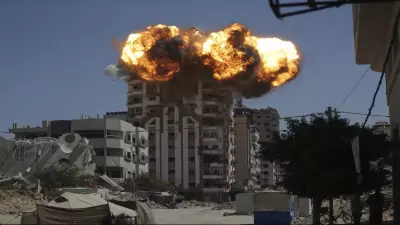
In a significant escalation of internal tensions within the anti-Houthi alliance, airstrikes conducted by the Saudi-led coalition have struck camps belonging to UAE-backed separatist forces in southern Yemen. The attack, which occurred on Thursday, resulted in the deaths of at least seven individuals, according to local reports and officials.
Details of the Airstrike and Casualties
The military bombardment targeted positions held by the Southern Transitional Council (STC), a secessionist group that has enjoyed substantial support from the United Arab Emirates. The strikes focused on the Al-Mahfad base in Abyan province, a stronghold for the separatist forces. Initial reports confirmed that the assault led to the immediate death of seven people, with several others sustaining injuries. The casualties are believed to be fighters affiliated with the STC.
This incident starkly highlights the deepening rift between Saudi Arabia and the UAE over the future of Yemen. While both nations are nominal partners in the coalition fighting against the Iran-aligned Houthi rebels, their strategic objectives on the ground have increasingly diverged. Saudi Arabia backs Yemen's internationally recognized government, whereas the UAE has heavily invested in and armed the STC, which seeks an independent southern state.

Background of the Saudi-UAE Rivalry in Yemen
The conflict in Yemen, often described as a proxy war, has been further complicated by this intra-alliance competition. The Saudi-led coalition intervened in 2015 with the stated aim of restoring the government of President Abd-Rabbu Mansour Hadi. However, the UAE's parallel support for southern separatists has frequently led to violent clashes between the supposed allies, undermining the unified front against the Houthis.
The STC has previously seized control of the port city of Aden, the temporary seat of the Saudi-backed government, leading to fierce battles. Although a power-sharing deal was brokered under Riyadh's pressure, the agreement has been fragile, with repeated violations and a lack of trust between the parties. Thursday's airstrikes represent one of the most direct and deadly confrontations between coalition airpower and its own allied ground forces.
Implications and Regional Fallout
The direct attack on an STC camp by coalition jets signals a potentially dangerous new phase. It raises serious questions about the cohesion of the alliance and the feasibility of its long-term goals. Analysts suggest this move could be a coercive measure by Saudi Arabia to rein in the separatists and assert its primacy in deciding Yemen's political future, especially concerning the unity of the state.
The immediate consequences are likely to include:
- Increased hostility between pro-government and STC forces on the ground, potentially opening a new front in the complex war.
- A severe strain on the already tense relations between Riyadh and Abu Dhabi, requiring high-level diplomatic intervention to prevent a complete breakdown.
- Potential exploitation by the Houthi rebels, who could use the infighting to consolidate their territorial gains and strengthen their negotiating position in any future peace talks.
This development underscores the multilayered and fragmented nature of the Yemen conflict, where alliances are fluid and national objectives are often superseded by regional power plays. The suffering of the Yemeni civilian population, already enduring one of the world's worst humanitarian crises, is set to continue as internal divisions within the anti-Houthi bloc deepen further.