Winter 2026 Marks Dramatic Shift from Recent Dry Years in North India
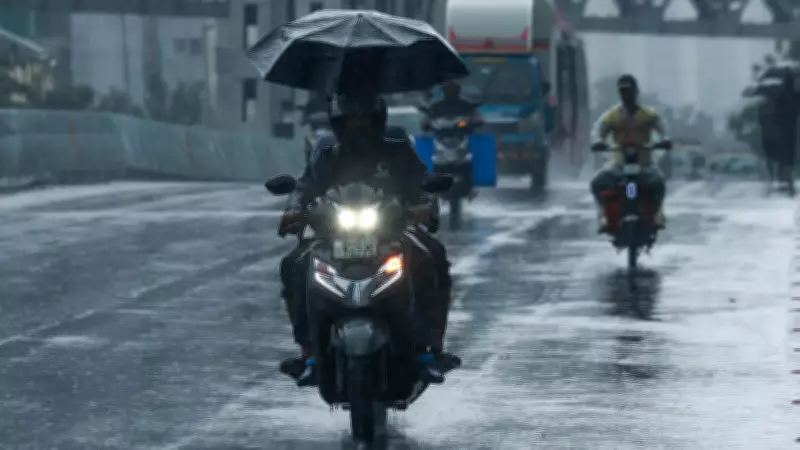
The winter of 2026 has brought a significant meteorological reversal for North India, with Punjab, Haryana, and Chandigarh recording substantial excess rainfall during January. According to the latest data from the India Meteorological Department, this marks a clear departure from the acute rainfall deficits that characterized recent years, particularly 2024 and 2025.
Punjab: 69% Above Normal Rainfall with Uneven Distribution
Punjab experienced a remarkable 34.4 mm of rainfall between January 1 and 31, 2026, which represents a 69% increase above the normal January precipitation of 20.3 mm. This significant surplus comes as January serves as the first month of the winter rain season in the state.
However, the rainfall distribution across Punjab remained notably uneven:

- Significantly excess rainfall was recorded in northern and central districts including Gurdaspur (99.3 mm), SBS Nagar (78.5 mm), Fatehgarh Sahib (66.5 mm), Rupnagar (66 mm), Patiala (54.3 mm), and Ludhiana (52.2 mm)
- Departures from normal ranged from 138% to 211% above average in these districts
- Major districts like Amritsar (25.7 mm), Jalandhar (33.7 mm), and Ludhiana (52.2 mm) recorded rainfall close to or above their long-term averages
In stark contrast, southwestern Punjab faced marked deficits with Muktsar (-77%), Ferozepur (-74%), Fazilka (-70%), Faridkot (-56%), and Bathinda (-55%) receiving substantially lower rainfall than normal.
Temperature Patterns: No Severe Cold Wave Despite Active Rainfall
Despite active rainfall spells and cold days, Punjab experienced temperatures that remained below or close to the highest January temperatures of the past 15 years. The highest maximum temperatures were observed between January 21 and 23:
- Patiala recorded 24.5°C on January 21
- Ludhiana reached 24.0°C on January 23
- Amritsar touched 21.3°C on January 23
The lowest minimum temperatures occurred in mid-January, with Amritsar dipping to 1.1°C on January 12, Ludhiana to 2.6°C on January 13, and Patiala to 3.0°C on January 13. These temperatures remained higher than the extreme lows recorded during winters such as 2019 and 2020.
Haryana: 35% Above Normal Rainfall After Recent Dry Years
Haryana recorded 19.6 mm of rainfall in January 2026, representing a 35% increase above the normal of 14.5 mm. This reversal is particularly significant given the state's recent dry years, including 2024 when Haryana recorded virtually no rainfall.
The rainfall distribution across Haryana showed distinct patterns:
- Northern and northeastern districts received substantial precipitation
- Kurukshetra recorded a sharp 178% excess with 52 mm rainfall
- Ambala (56.1 mm) and Chandigarh (63.6 mm) logged 98% and 69% excess rainfall respectively
- Other districts with notable excess rainfall included Panipat (85%), Gurgaon (76%), Fatehabad (73%), Kaithal (63%), and Jhajjar (63%)
Conversely, several districts remained rainfall-deficient, including Sirsa (-63%), Sonepat (-32%), Mahendragarh (-25%), Charkhi Dadri (-13%), and Faridabad (-8%).
Moderate Winter Temperatures Across Haryana
Temperature trends across Haryana reflected a largely moderate winter season. The highest maximum temperature was recorded in Ambala at 25.6°C on January 23, matching the highest January temperature of the past 15 years. Hisar (23.9°C) and Karnal (23.5°C) also recorded warm spells during the third week of January.
Minimum temperatures dipped in mid-January but stayed within normal limits, with Hisar reaching 0.2°C on January 15, Karnal at 2.0°C on January 13, and Ambala at 4.2°C on January 13. These temperatures were significantly higher than record lows such as the sub-zero temperatures recorded in Hisar (2023) and Karnal (2020).

Chandigarh: 69% Excess Rainfall with Mild Winter Conditions
Chandigarh recorded 63.6 mm of rainfall in January 2026, representing a 69% increase above the normal of 37.6 mm. This places the month firmly in the 'excess rainfall' category and represents a significant improvement over 2024 (0.1 mm) and 2025 (22.6 mm), though it remains well below the record January rainfall of 207.7 mm recorded in 2022.
The highest single-day rainfall in Chandigarh was 41.2 mm on January 28, contributing substantially to the monthly total.
Temperature Extremes Without Prolonged Cold Events
The highest maximum temperature in Chandigarh touched 26.3°C on January 23, marking the highest maximum in the month over the last 15 years. The average maximum temperature stood at 17.5°C, which was cooler than January 2025 (20.1°C) but remained within long-term norms.
The lowest minimum temperature was 2.8°C on January 13, while the average minimum for the month was 6.7°C. This was well above historic lows such as the 2.1°C recorded in 2016.
Overall Pattern: Wet but Moderate Winter Season
Across Punjab, Haryana, and Chandigarh, the winter of 2026 has been characterized by significant rainfall excesses that break recent dry spell trends, combined with temperature patterns marked by brief warm and cool spells but no prolonged extreme cold events. This combination has created a season that is both wetter than normal and largely moderate in thermal character, providing potential benefits for Rabi crops in several districts while avoiding the severe cold waves of previous years.
The meteorological shift observed in January 2026 represents a notable departure from the rainfall deficits that have plagued the region in recent years, offering hope for agricultural productivity and water resource management in North India.