Australia is renowned for its dangerous wildlife, particularly snakes. Among all Australian states, Victoria leads in snake-related incidents and bites. This includes the suburbs of Melbourne, farmlands, wetlands, and national parks, where humans and snakes frequently encounter each other.
Why Snake Encounters Rise in Summer
Each summer, snake activity increases. Emergency services warn the public about this uptick, along with the spike in snake sightings and bites. The reason Victoria sees so many snake encounters stems from a combination of geography, climate, diverse wildlife, and human behavior in snake territory. Although Victoria is one of Australia's smaller mainland states, it offers an exceptional array of habitats that snakes love. From wetlands to grasslands, forests, river systems, coastal areas, and agricultural land, these ecosystems provide perfect conditions for numerous snake species.
Why Is Victoria Home to Many Snakes?
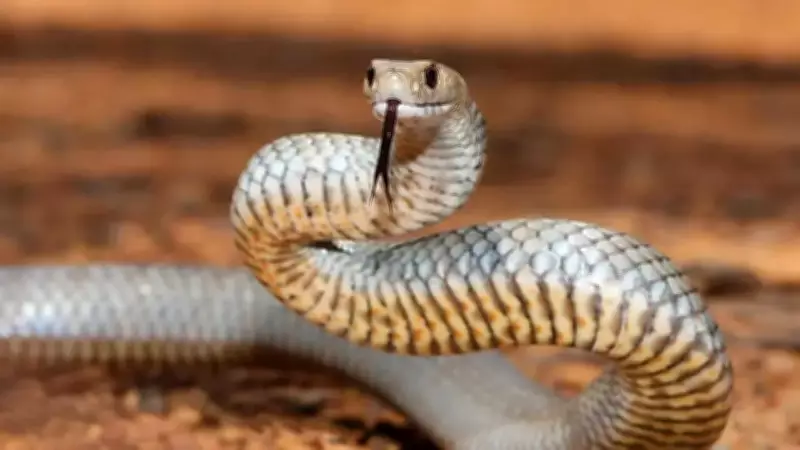
According to a study by Better Safer Care, an official Australian portal, several highly venomous snakes call Victoria home, including the eastern brown snake, tiger snake, and red-bellied black snake. These species cause most of the medically serious bites in the state, as reported by Victorian health authorities. Tiger snakes tend to stay near waterways, marshes, and coasts, while eastern brown snakes prefer open grasslands and farms. Occasionally, they venture into suburban areas. This means many Victorians share their spaces with these slithery neighbors, whether at work, home, or during leisure activities.

The Urban Expansion Problem
Urban expansion is a significant reason snake encounters are rising, but not due to an increase in snake populations. It is because humans are building more homes near snake habitats. Melbourne continues to grow, and new neighborhoods encroach into grasslands and bushland. These areas were once solely for wildlife but now feature roads, homes, parks, and walking paths. Recent reports indicate that snakes in Victoria are not only seen in remote wild areas but also frequently in outer suburbs, vineyards, along riverbanks, and in farming regions. Consequently, many people may share their space with snakes without even realizing it.
Snakes During Summer Heat
An ABC News report explains that reptiles like snakes rely on external warmth to regulate their body temperature. Victoria's scorching summers cause snakes to become highly active. Researchers have observed that these creatures feed more, mate more often, and are generally more active in warmer weather. Activity intensifies during heatwaves, as snakes search for water or cooler spots. These behaviors are especially prominent in summer when people flock outdoors for vacations. Whether camping, hiking, or gardening, humans are everywhere, and it is peak snake season, boosting the odds of encounters. Many incidents have occurred in both regional areas and parts of Melbourne. Although death from a snakebite is rare due to medical advances, the frequent need for emergency services highlights how often snakes and people cross paths in Victoria.
Expert Insights on Snake Behavior
Experts caution against assuming that more sightings indicate larger snake populations. Timothy Jackson, a researcher from the University of Melbourne's Australian Venom Research Unit, notes that snakes avoid humans and that the causes of snakebite incidents are not fully understood. One theory suggests that during extremely dry periods, snakes may be forced into areas where people are more active, seeking food, water, or shade. Often, bites occur because the snake and person accidentally bump into each other. Snakes prefer not to attack, so bites happen only when they feel cornered or startled.
Agricultural Industry Adds to the Issue
Victoria's thriving agricultural industry contributes to the problem. Farmers, vineyard workers, gardeners, and rural residents spend considerable time outdoors, often in snake-friendly environments like tall grass, near sheds, woodpiles, and water sources. The situation worsens during harvest and warm weather, as both humans and snakes become more active.

Conclusion
Victoria's reputation as one of Australia's snakebite hotspots results from several factors occurring simultaneously: extensive snake habitat, highly venomous species, urban sprawl, hot summers, and increased outdoor human activity. As towns continue to expand and weather patterns influence wildlife behavior, encounters with snakes will likely become more frequent. However, experts believe peaceful coexistence is possible. Understanding snake territory, their habits, and how to react when spotting one is key to staying safe. The real issue is not deadly snakes but two species increasingly sharing space. Most bites are preventable. Despite Victoria's reputation, snakes do not seek conflict with humans and usually flee when possible. Problems arise when people approach them, attempt to catch them, or try to kill them, according to wildlife specialists and snake catchers. Simple precautions can ensure safety.