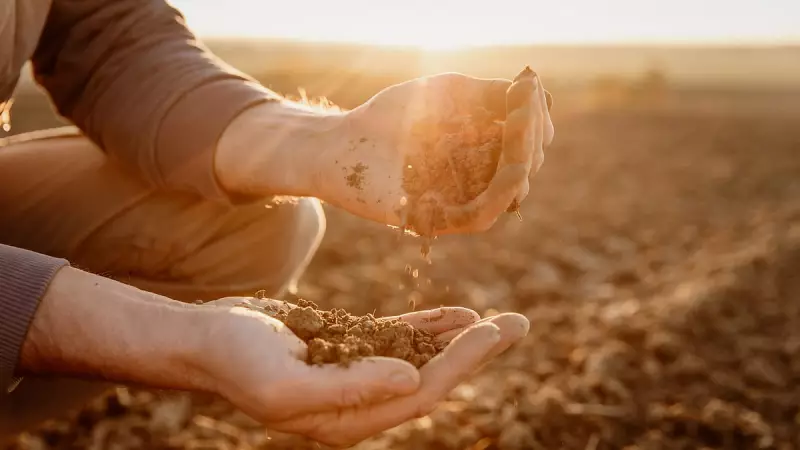
When we picture soil, our minds often wander to vast farmlands, dense forests, or the open countryside. However, a critical and often overlooked ecosystem lies right beneath our feet in the bustling heart of India's metropolitan areas. Every city—from Mumbai to Delhi, Bengaluru to Kolkata—is fundamentally supported by the soil hidden under its parks, tree-lined avenues, traffic medians, playgrounds, and countless backyard gardens. This urban soil performs a suite of extraordinary, yet invisible, ecological functions essential for city life.
The Hidden Lifeline of Urban Landscapes
This foundational layer is far more than just dirt. It acts as a living, breathing system that sustains urban greenery. The soil in city parks and along streets provides the necessary nutrients, water, and anchorage for trees and plants. These green spaces are not merely aesthetic; they are the lungs of the city, improving air quality and offering crucial respite from the concrete heat. Furthermore, urban soil plays a key role in managing water. It acts like a giant sponge, absorbing rainwater during monsoons, which helps mitigate flooding by reducing immediate runoff into overloaded drainage systems. This natural absorption also aids in recharging precious groundwater aquifers, a vital resource for many Indian cities facing water scarcity.
More Than Just Ground: Vital Ecological Services
The benefits extend beyond trees and water. Healthy city soil is a hub of biodiversity, teeming with microorganisms, insects, and worms that break down organic matter and recycle nutrients. This process is fundamental for maintaining fertile patches within the urban sprawl. Importantly, soil also functions as a natural filter. As water percolates through it, contaminants and pollutants are trapped and broken down, leading to cleaner water seeping into the ground. This filtration service protects the broader environment from the concentrated pollution typical of urban centers. Despite its critical role, urban soil is frequently degraded, compacted by construction, contaminated by waste, or simply sealed over by concrete and asphalt, stripping away these essential services.

Protecting Our Foundation for Sustainable Cities
The recognition of soil's value marks a paradigm shift in how we view urban planning and sustainability. Protecting and nurturing this resource is not a rural or agricultural issue alone; it is a core urban imperative. Initiatives to preserve existing soil health and reclaim degraded areas are becoming part of the conversation on building resilient cities. Simple actions can make a difference:
- Reducing soil sealing in new developments.
- Promoting composting to enrich soil in gardens and parks.
- Using permeable materials for pavements to allow water and air to reach the soil.
Saving the city, it turns out, truly begins from the ground up. The soil beneath our urban jungles is a silent partner in creating livable, sustainable, and healthy environments for millions of Indians. Its conservation is integral to the future of India's rapidly growing urban centers.