

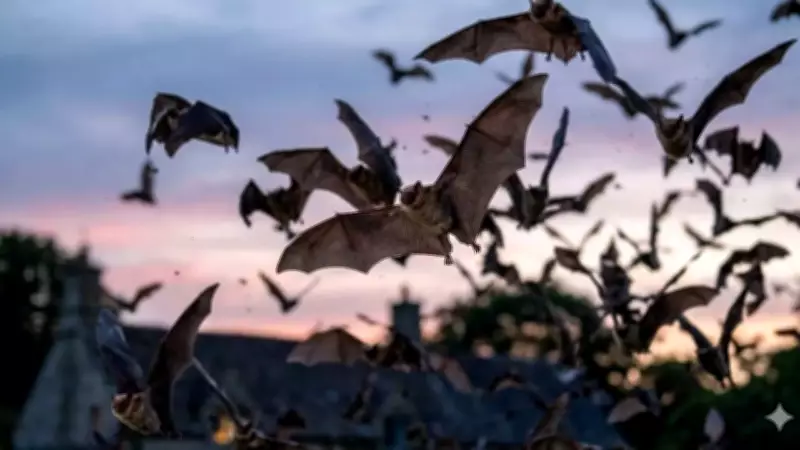
Why Bats Keep Returning to Your Garden Night After Night
As twilight deepens and daylight fades, a fascinating transformation occurs in the skies above residential areas. Dark silhouettes begin to dart and weave through the air, performing aerial acrobatics that might initially seem random. These are bats, emerging from their daytime roosts to begin their nightly hunt. Their presence in your garden or yard is not merely coincidental; it often serves as a direct reflection of the ecological activity happening below.
The Insect-Hunting Masters of the Night
Most bats that appear over homes are voracious insect predators, targeting mosquitoes, moths, beetles, and other flying insects. A single bat can consume hundreds of insects in just one night, making them nature's most efficient pest control agents. They accomplish this remarkable feat through echolocation, emitting high-frequency sound pulses and interpreting the returning echoes to detect and capture prey with pinpoint accuracy, even in complete darkness.
According to research from the US Department of Agriculture, this sophisticated biological sonar system allows bats to navigate complex environments while hunting. Gardens that feature flowering plants, mature trees, or small water sources naturally attract insects, creating ideal feeding grounds that bats quickly identify and remember. These nocturnal hunters will adjust their flight patterns to frequent these insect-rich areas, returning consistently when food sources prove reliable.

Bats as Essential Night Pollinators
While many bat species specialize in insect consumption, others play a completely different ecological role. Nectar-feeding bats serve as crucial nocturnal pollinators, visiting flowers that specifically open after sunset. As they drink nectar, pollen adheres to their fur and transfers to subsequent flowers, facilitating plant reproduction in ecosystems where daytime pollinators are scarce.
This pollination service proves particularly vital in desert and tropical regions. The agave plant offers a prominent example, producing abundant nectar in night-blooming flowers that attract bats from considerable distances. These flying mammals then transport pollen across wide areas, supporting plant diversity and ecosystem health while most other creatures sleep.
What Bat Activity Reveals About Your Garden's Health
Regular bat sightings above your property typically indicate a thriving, balanced ecosystem. A diverse array of plants attracts various insect species, which in turn draw predators like bats to the area. Ecological studies demonstrate that bats concentrate their hunting activities in locations with high insect diversity, making gardens with certain features particularly attractive:
- Fruit trees that provide both food sources and habitat
- Flowering plants that attract nocturnal insects
- Water features that support insect life cycles
- Strategic outdoor lighting that draws certain insect species
Experts emphasize that healthy insect populations signal a well-balanced garden ecosystem. The presence of bats suggests your outdoor space successfully supports multiple levels of the food chain, from plants to insects to predators. Essentially, the more your garden nurtures wildlife diversity, the more likely you are to witness these remarkable nocturnal flyers overhead.
Observing bats in your garden offers more than just an interesting evening spectacle; it provides visible evidence of ecological vitality. These creatures serve as both natural pest controllers and important pollinators while indicating that your outdoor space contributes positively to local biodiversity. Their nightly appearances remind us that even urban and suburban gardens can support complex ecosystems that function around the clock.






