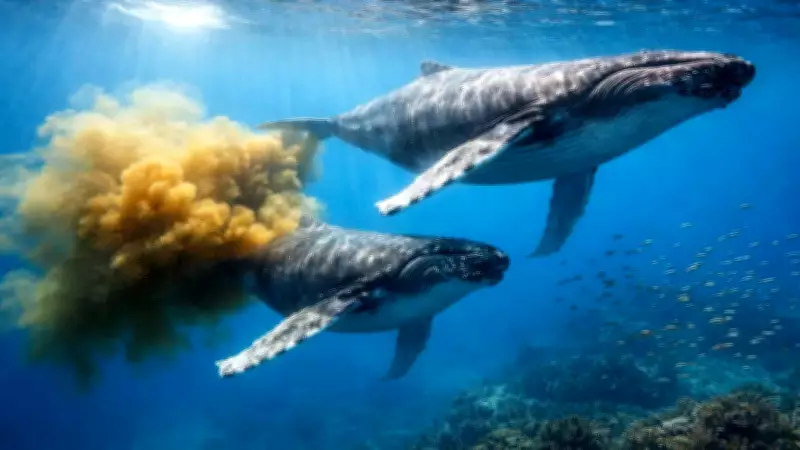
The Unsung Heroes of Climate Regulation: Whales and Their Waste
When we consider climate regulation, whales are often overlooked, yet these majestic marine giants play an indispensable role in maintaining planetary health. Beneath the ocean's surface, their activities contribute significantly to ecological balance, with one surprising element at the forefront: their waste.
How Whale Poop Fuels Ocean Life and Climate Stability
Whale feces, though seldom discussed, is a powerhouse of nutrients essential for ocean ecosystems. Rich in iron, nitrogen, and phosphorus, this waste acts as a natural fertilizer, stimulating the growth of phytoplankton—microscopic plants that form the foundation of the marine food chain. According to the International Fund for Animal Welfare, the iron and nitrogen in whale poop are particularly effective in boosting phytoplankton populations, which thrive in nutrient-enriched surface waters.
The Whale Pump: A Natural Nutrient Recycling System
Scientists describe this process as the "whale pump." Whales consume nutrients at deeper ocean levels and then ascend to the surface to release their waste, transporting vital nutrients upward. This mechanism ensures that surface waters remain fertile, supporting phytoplankton growth. Without this pump, ocean productivity would decline, highlighting the critical role whales play in nutrient cycling.

Phytoplankton's Role in Oxygen Production and Carbon Capture
Phytoplankton are not just food sources; they are climate regulators. Through photosynthesis, they absorb carbon dioxide from the atmosphere and produce oxygen, accounting for a significant portion of the oxygen we breathe. By fostering phytoplankton blooms, whales indirectly enhance carbon sequestration—the process where carbon is locked away in the ocean. When phytoplankton die, they sink to the ocean floor, carrying carbon with them, thus reducing atmospheric carbon levels.
The Impact of Declining Whale Populations on the Environment
Historically, whaling drastically reduced whale numbers, disrupting environmental equilibrium. Fewer whales meant less nutrient recycling, leading to diminished phytoplankton productivity. This decline underscores how the loss of a single species can ripple through ecosystems, affecting climate processes and ocean health.
Why Protecting Whales Is Essential for Planetary Balance
Conserving whale species transcends animal welfare; it is about preserving natural harmony. Whales contribute to ocean productivity and climate regulation through their nutrient cycles and carbon capture capabilities. Their role exemplifies the interdependence of all life on Earth, emphasizing that protecting these creatures is vital for sustaining a healthy planet.
In summary, whales, through their waste and feeding behaviors, are key players in climate regulation. By supporting phytoplankton growth, they aid in oxygen production and carbon reduction, making their conservation a priority for environmental stability.