Vadodara Crematoriums Reborn as Lush Green Sanctuaries
In a remarkable shift from sorrow to serenity, the outskirts of Vadodara are witnessing a profound transformation. Spaces once dominated by silence and grief are being reimagined as vibrant pockets of life and renewal. Community-driven efforts are actively converting crematorium premises into thriving green zones, featuring butterfly gardens, banyan groves, and extensive native plantations.
Earth Day Initiative: Four Butterfly Gardens at Dumad Crematorium
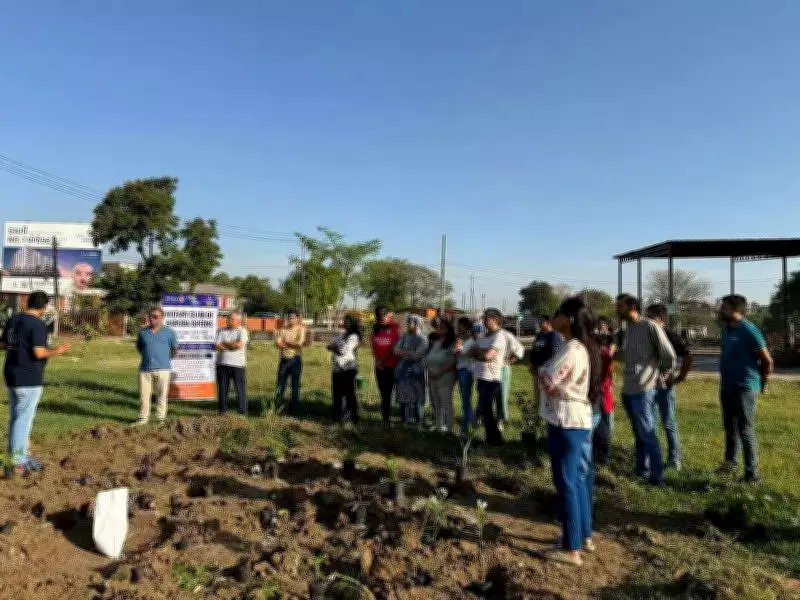
Marking Earth Day, a significant project is underway at the Dumad crematorium, where four distinct butterfly gardens are being developed. Each garden is meticulously designed to complement the vast expanse of the site while ensuring ecological and visual harmony. Arranged in a triangular layout with circular shapes, these gardens create a balanced and serene landscape within the open grounds, offering a peaceful retreat for visitors and wildlife alike.
Inspiration from Manjusar Village: A Tribute to Life
The concept traces its roots back to Manjusar village, where environmentalist Suneet Dabke pioneered a 2,000 square foot butterfly garden near a crematorium. This initiative was established in memory of his mother-in-law, Pratiksha Kulkarni, and built on a former dumping ground. It demonstrated how areas associated with loss could also nurture life, inspiring similar ecological efforts across the region and showcasing the power of personal tributes to drive environmental change.

Biodiversity Boost with Butterfly-Friendly Flora
At Dumad and other sites, a diverse array of butterfly-friendly plants and trees has been planted to create supportive habitats and enhance local biodiversity. Key species include:
- Tabebuia
- Roses
- Star jasmine
- Jamaican spike
- Jatropha
- Passion fruit
- Alamanda creepers
- Kesuda
- Kadam
This strategic planting not only attracts butterflies but also contributes to a healthier ecosystem, turning these spaces into hubs of natural activity.
Collaborative Efforts for Ecological Restoration
Building on this innovative concept, the Kachare se Azadi Foundation, in partnership with local communities, has played a pivotal role in developing butterfly gardens, Miyawaki forests, and banyan plantations at multiple locations. Their focus is on ecological restoration through active public participation, empowering residents to take ownership of their environment.
Suneet Dabke highlighted the collective support for the Dumad initiative, which aligns with Rotary International's ‘Unite for Good' theme. Groups such as the Saturday Club, BBN Global, and the Rotary Club of Baroda Greens have each adopted individual gardens, while one garden was developed jointly with the Dumad gram panchayat. This collaboration underscores the community's commitment to sustainable development.
Progress and Future Plans
So far, 26 participants have planted over 320 saplings across nearly 2,100 square feet at the Dumad site. The area already boasts 51 banyan trees from earlier efforts, with ambitious plans to add bamboo plantations and a mini garden by June 5. These ongoing projects signal a continuous push towards greening Vadodara's landscapes and fostering a culture of environmental stewardship.
This transformation not only revitalizes neglected spaces but also serves as a model for how urban areas can integrate nature into everyday life, promoting wellness and ecological balance in the heart of the city.