US Military Downs Iranian Drone in Arabian Sea Amid Heightened Tensions
A United States Navy fighter jet successfully intercepted and destroyed an Iranian unmanned aerial vehicle that was approaching an American aircraft carrier in the Arabian Sea on Tuesday morning. The incident occurred as diplomatic channels between Washington and Tehran remained active, with both sides expressing willingness to engage in negotiations.
Defensive Action Against Aggressive Approach
According to US Central Command spokesman Captain Tim Hawkins, an F-35C stealth fighter jet launched from the USS Abraham Lincoln warship executed the defensive maneuver. The Iranian Shahed-139 drone was shot down after it displayed what military officials described as "aggressively approaching" behavior toward the American vessel.
The aircraft carrier was positioned approximately 500 miles from the Iranian coastline when the drone approached with unclear intentions. Fortunately, no damage was sustained by US equipment, and all service members remained unharmed throughout the incident. The Iranian Mission to the United Nations has not issued any immediate comment regarding this development.

Diplomatic Channels Remain Open Despite Incident
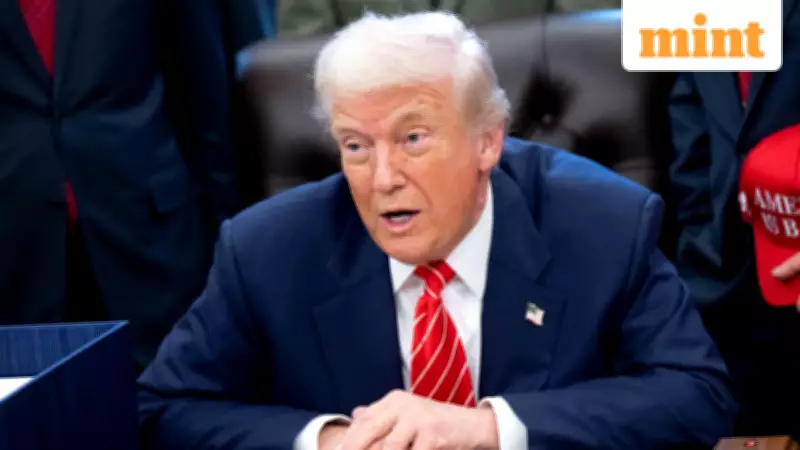
In a seemingly contradictory development, US President Donald Trump revealed that negotiations between Washington and Tehran are actively progressing. Speaking to reporters on Tuesday, Trump stated, "We are negotiating with them right now." He suggested that Iran does not desire a repeat of the June attacks and expressed cautious optimism about potential diplomatic outcomes.
Earlier that same day, Iranian President Masoud Pezeshkian announced Tehran's readiness to engage in discussions with the United States. Through a statement on social media platform X, Pezeshkian directed Foreign Minister Abbas Araghchi to pursue talks under specific conditions. He emphasized the need for "a suitable environment exists – one free from threats and unreasonable expectations" and committed to negotiations that align with Iran's national interests.
Scheduled Talks and International Involvement
Multiple media reports indicate that formal discussions between Iranian and American officials may occur in Istanbul on Friday. US special envoy Steve Witkoff is expected to meet with Iranian Foreign Minister Araghchi during these potential talks.
White House press secretary Karoline Leavitt confirmed that despite the drone incident, negotiations remain scheduled. She reiterated President Trump's preference for diplomatic solutions while acknowledging the necessity of a willing partner for successful dialogue. Leavitt noted, "President Trump is always wanting to pursue diplomacy first, but obviously it takes two to tango."
The diplomatic efforts appear to involve broader regional participation, with foreign ministers from several Middle Eastern nations reportedly invited to contribute. These include representatives from Egypt, Oman, Pakistan, Qatar, Saudi Arabia, and the United Arab Emirates.
Nuclear Program at Center of Negotiations
The core issue driving these diplomatic exchanges revolves around Iran's nuclear program. In a recent interview with CNN, Iranian Foreign Minister Araghchi expressed confidence about reaching an agreement that would ensure no nuclear weapons development. This statement comes despite Iran's consistent position that its nuclear activities are entirely peaceful and not aimed at weaponization.
President Trump has maintained a firm stance, building up military forces in the region and threatening potential action if Iran refuses to address nuclear concerns and cease protests. When questioned about the possibility of a deal, Trump offered a characteristically direct assessment: "If we can work something out, that would be great, and if we can't, probably bad things would happen."
The president further emphasized military preparedness by mentioning that a "tremendous force" including advanced naval vessels was positioned toward Iran. This development follows Trump's decision to include Iran's nuclear program among key demands in any negotiation framework, adding complexity to the diplomatic landscape.

Historical Context and Future Implications
This incident occurs against a backdrop of previous military engagements between the two nations. During the 12-day conflict Israel initiated against Iran in June, President Trump authorized strikes on three Iranian nuclear facilities. These historical tensions underscore the delicate balance between military posturing and diplomatic engagement currently characterizing US-Iran relations.
As both nations navigate this complex situation, several critical questions remain unanswered:
- Will the drone incident derail scheduled diplomatic talks, or will negotiations proceed as planned?
- Can Iran and the United States bridge their differences regarding nuclear program expectations?
- How will regional powers influence the negotiation dynamics?
- What military implications might emerge if diplomatic efforts fail?
- How will domestic political considerations in both countries affect foreign policy decisions?
The coming days will prove crucial in determining whether these nations can transition from confrontation to constructive dialogue, or whether military tensions will escalate further in the strategically vital Arabian Sea region.