

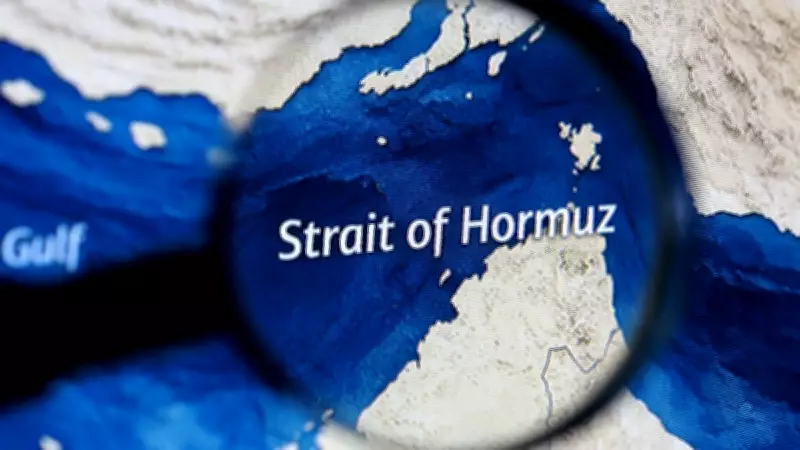
Strait of Hormuz: US and Iran Sail in Opposite Legal Directions
The Strait of Hormuz, a vital maritime chokepoint in West Asia, has become a focal point for escalating tensions between the United States and Iran. At the heart of this dispute lies the complex framework of international maritime law, which governs rights of access and control in ocean waters.
Understanding the Law of the Sea
The "law of the sea" encompasses a comprehensive network of international laws, customs, and agreements that establish the foundational principles for maritime governance. This legal structure includes key treaties such as the United Nations Convention on the Law of the Sea (UNCLOS), which outlines rules for territorial waters, exclusive economic zones, and freedom of navigation.
In the context of the Strait of Hormuz, these laws are critically important because the strait serves as a major transit route for global oil shipments. Approximately one-fifth of the world's oil passes through this narrow waterway, making it a strategic asset with significant economic and geopolitical implications.

Divergent Interpretations by the US and Iran
The United States and Iran are currently sailing in very different legal waters due to their contrasting interpretations of maritime law. The US, which has not ratified UNCLOS but generally adheres to its principles, emphasizes the right of freedom of navigation in international straits. This stance supports the passage of military and commercial vessels through the Strait of Hormuz without undue restrictions.
In contrast, Iran asserts its sovereignty over parts of the strait, citing historical claims and security concerns. Iranian officials argue that they have the right to regulate and, if necessary, restrict navigation to protect national interests. This position often leads to confrontations, such as recent incidents involving naval patrols and seizures of vessels.
Key Legal Issues at Stake
- Territorial Waters: Disputes over the extent of Iran's territorial claims in the strait, which can impact passage rights.
- International Agreements: The role of UNCLOS and other treaties in mediating conflicts and setting standards for maritime conduct.
- Customary Law: Long-standing practices and customs that influence how nations interpret and apply maritime rules in the region.
- Security Concerns: Balancing freedom of navigation with national security interests, a point of contention between the US and Iran.
Implications for Global Trade and Diplomacy
The legal disagreements between the US and Iran in the Strait of Hormuz have far-reaching consequences. Any disruption to shipping lanes could lead to increased oil prices and economic instability worldwide. Moreover, these tensions complicate diplomatic efforts in West Asia, affecting regional stability and international relations.
As both nations continue to navigate these turbulent waters, the international community watches closely. Resolving these legal differences will require careful negotiation and adherence to established maritime principles to ensure safe and open passage for all.






