

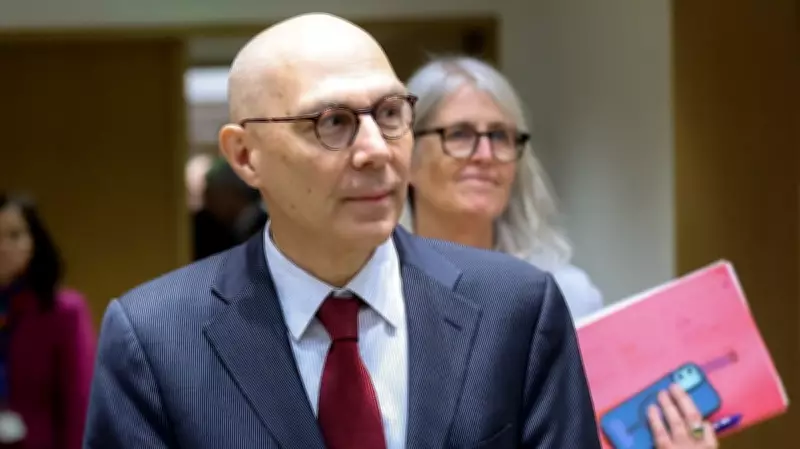
UN Human Rights Chief Issues Urgent Warning on Iran Conflict Escalation
In a dramatic address to an emergency session, United Nations High Commissioner for Human Rights Volker Turk has called upon nations worldwide to take immediate and decisive action to end the extremely dangerous conflict involving Iran. The senior UN official delivered a stark warning about the conflict's potential to trigger widespread international consequences.
Unprecedented Cross-Border Threat Identified
Volker Turk emphasized that the current situation possesses "an unprecedented power to ensnare countries across borders and around the world." This statement highlights growing concerns among global security experts that regional tensions could rapidly expand into a broader international crisis affecting multiple continents.
The emergency meeting, convened to address escalating hostilities, heard detailed assessments about how the conflict's ripple effects might destabilize neighboring regions and potentially draw in major global powers through complex alliance systems and economic dependencies.

International Community Urged to Act
The UN rights chief's intervention comes at a critical juncture as diplomatic efforts intensify to prevent further escalation. Key aspects of the warning include:
- The conflict's unique capacity to transcend traditional geographical boundaries
- Potential humanitarian consequences affecting civilian populations across multiple nations
- Risks to global economic stability and international trade routes
- Threats to regional security architectures that have maintained relative stability for decades
Turk's appeal represents one of the most forceful diplomatic interventions regarding the Iran situation, reflecting mounting anxiety within international institutions about the conflict's trajectory. The UN human rights office has documented increasing violations that could worsen if hostilities continue to expand.
Global Response and Next Steps
As nations evaluate their response to the UN warning, security analysts emphasize that coordinated international action will be essential to de-escalate tensions. The emergency meeting concluded with calls for:
- Immediate diplomatic engagement between all involved parties
- Enhanced monitoring of human rights violations in conflict zones
- Strengthened international mechanisms to prevent regional conflicts from becoming global crises
- Humanitarian corridors to protect civilian populations caught in crossfire
The UN human rights chief's urgent message underscores a critical moment in international relations, where preventive diplomacy could determine whether this conflict remains contained or evolves into a broader threat to global peace and security.






