

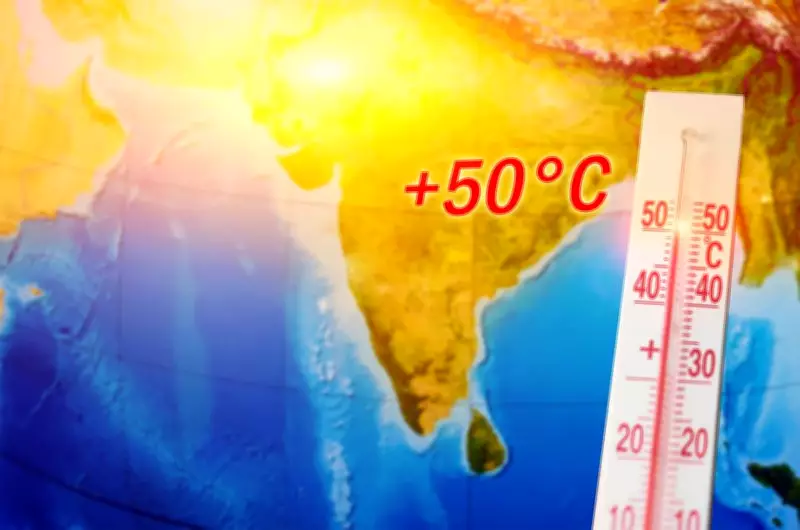
The United Nations Climate Chief has identified worsening climate change as the primary factor behind the extreme heat events currently gripping India. In a recent statement, the official highlighted that rising global temperatures are exacerbating heatwaves, posing severe risks to public health, agriculture, and water resources across the country.
Escalating Heatwave Frequency
India has witnessed a significant increase in the frequency and intensity of heatwaves over the past few decades. According to meteorological data, the number of heatwave days has risen sharply, with 2024 already recording several severe episodes. The UN Climate Chief emphasized that this trend is directly linked to anthropogenic climate change, driven by greenhouse gas emissions from fossil fuel combustion and deforestation.
Impact on Vulnerable Populations
The extreme heat disproportionately affects vulnerable communities, including farmers, daily wage workers, and the urban poor. Heat-related illnesses and deaths have surged, straining healthcare systems. The UN official called for urgent adaptation measures, such as early warning systems, heat action plans, and improved access to cooling facilities. Additionally, the agricultural sector faces crop failures and reduced yields, threatening food security and livelihoods.

Call for Global Action
The Climate Chief reiterated the need for global cooperation to limit warming to 1.5 degrees Celsius above pre-industrial levels, as outlined in the Paris Agreement. India, as a major emitter and a climate-vulnerable nation, must accelerate its transition to renewable energy and enhance its climate resilience. The UN urged developed countries to fulfill their commitments to provide climate finance and technology transfer to support developing nations like India.
Government Response
The Indian government has acknowledged the severity of the situation and has implemented several initiatives, including the National Action Plan on Climate Change and state-level heat action plans. However, experts argue that more ambitious targets and faster implementation are needed to avert catastrophic impacts. The UN Climate Chief's remarks serve as a stark reminder that climate change is no longer a distant threat but a present reality demanding immediate and collective action.
As India continues to swelter under record-breaking temperatures, the message from the UN is clear: the world must act decisively to curb emissions and protect the most vulnerable from the escalating climate crisis.






