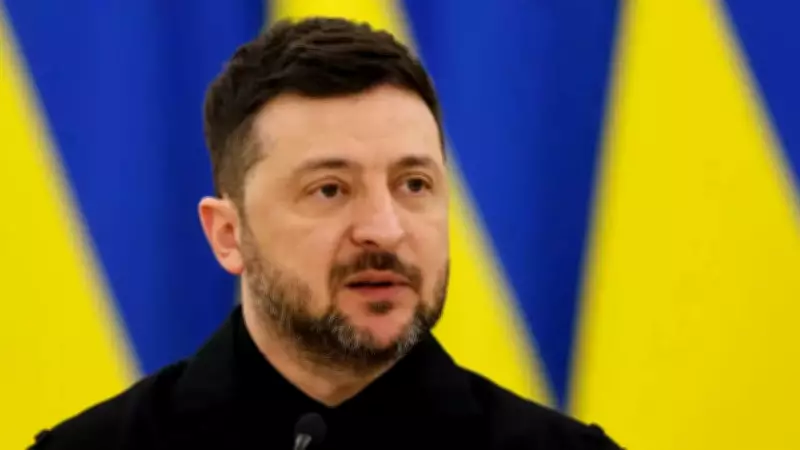
Ukrainian President Volodymyr Zelenskyy has announced that a second round of trilateral talks involving Ukraine, Russia, and the United States, focused on a US-drafted plan to end the nearly four-year war in Ukraine, will now take place on February 4 and 5 in Abu Dhabi. This marks a delay from the earlier expected timeline, though Zelenskyy did not provide specific reasons for the postponement of the talks, which were initially anticipated over the weekend.
Diplomatic Announcement and Context
In a post on X, Zelenskyy stated, "The dates for the next trilateral meetings have been set – February 4 and 5 in Abu Dhabi." As of now, neither the Kremlin nor the United States has officially confirmed these new dates. Zelenskyy emphasized that Ukraine is prepared for "substantive talks" and aims for an outcome that would lead to a "real and dignified end to the war." He indicated that this update followed a report from Ukraine's negotiating team, suggesting that Kyiv remains actively engaged in the US-led diplomatic process, despite the lack of progress in earlier discussions.
Recent Secret US-Russia Meeting
The announcement came just one day after a surprise meeting between Kirill Dmitriev, one of Russian President Vladimir Putin's top envoys, and senior US officials in Florida, which notably excluded Ukrainian participation. According to news agency AFP, the US side included:

- President Donald Trump's peace envoy Steve Witkoff
- Treasury secretary Scott Bessent
- Trump's son-in-law Jared Kushner
- White House senior adviser Josh Gruenbaum
Witkoff commented, "We are encouraged by this meeting that Russia is working toward securing peace in Ukraine," although neither Moscow nor Washington released detailed information about the discussions. News agency AP quoted Dmitriev describing the meeting as "constructive," but again, without elaboration on what was discussed or whether any concrete proposals were exchanged.
Challenges and Stalemate in Negotiations
The first round of talks on the US peace plan, held in Abu Dhabi last Friday and Saturday, failed to produce a breakthrough. While Washington has expressed optimism about brokering a deal to end what it describes as Europe's deadliest conflict since World War II, fundamental disagreements between Moscow and Kyiv remain unresolved.
Territorial Disputes at the Heart of the Deadlock
At the core of the impasse is the issue of territory. Russia currently occupies approximately 20 percent of Ukraine and is pushing for full control of the eastern Donetsk region as part of any settlement. Moscow has warned that it will seek to take the region by force if negotiations collapse. In contrast, Ukraine has repeatedly stated that ceding territory would only embolden Russia and increase the risk of future invasions. Many Ukrainians view the idea of surrendering land defended by their soldiers for years as unacceptable.
Kyiv has insisted that it will not sign any deal that fails to provide credible guarantees against renewed Russian aggression. This territorial standoff continues to hinder progress, even as diplomatic manoeuvring persists.
Ongoing Conflict and Humanitarian Impact
Despite these diplomatic efforts, fighting on the ground shows no signs of easing. Regional authorities reported that overnight and into Sunday, Russian attacks killed at least two people and wounded several others across Ukraine. This underscores the urgent need for a peaceful resolution, as the human toll of the conflict continues to mount.
The rescheduled talks in Abu Dhabi represent a critical juncture in the ongoing efforts to find a diplomatic solution to the Ukraine war. With key players like the US, Russia, and Ukraine involved, the outcome could significantly influence the future trajectory of the conflict and regional stability. Observers will be closely watching for any signs of compromise or breakthrough in the upcoming discussions.