

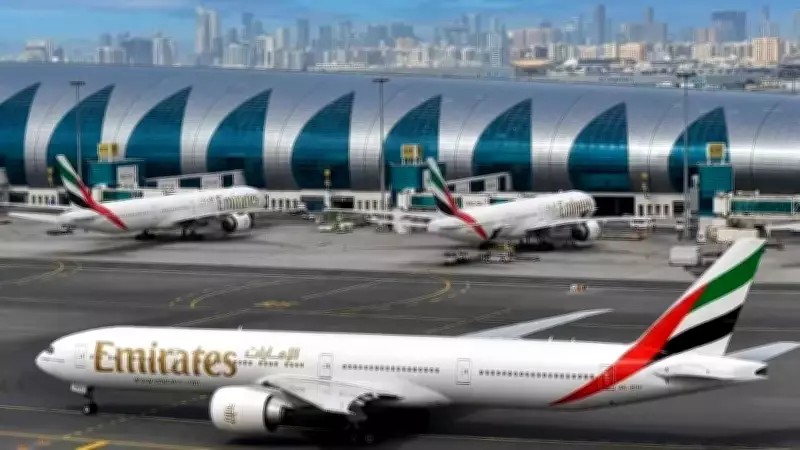
UAE Air Travel Faces Partial Disruption Amid Regional Conflict
Air travel across the United Arab Emirates continues to experience significant disruptions on March 7, as airlines operate only a limited number of flights following widespread closures of Middle East airspace. These closures have been triggered by escalating regional conflicts, particularly involving tensions between the United States, Israel, and Iran, which have forced several countries in the area to restrict or close their airspace entirely.
Major Airlines Resume Restricted Operations
Key carriers, including Emirates, Etihad Airways, flydubai, and Air Arabia, have cautiously resumed restricted operations. They are prioritizing stranded passengers while offering flexible rebooking and refund options to mitigate the travel chaos. Travellers are strongly advised to check their flight statuses before heading to airports, as schedules are subject to rapid and unpredictable changes due to the volatile situation.
Airports across the UAE, such as those in Dubai, Abu Dhabi, Sharjah, and Ras Al Khaimah, remain open but are functioning with a severely reduced number of flights. Most scheduled services have been suspended as regional airspace restrictions continue to disrupt aviation routes throughout the Middle East. Dubai, recognized as one of the world's busiest transit hubs, has been particularly affected by these disruptions.

Detailed Airline Operational Status
Here is a breakdown of how major airlines are currently managing their services:
- Emirates: Operating at approximately 60% of its network capacity, with 106 flights scheduled to 83 cities today. Passengers can rebook their flights until April 30.
- Etihad Airways: Offering limited resumption of services, serving over 25 international destinations, with rebooking available until May 15.
- flydubai: Running on a reduced schedule and only accepting transits for operating flights, with a rebooking deadline of March 31.
- Air Arabia: Partially operational, with most flights from Sharjah suspended until March 9, and free date changes allowed within 15 days.
- IndiGo: Operating limited rescue flights to five Middle East hubs today, with a waiver in place until March 31.
- SpiceJet: Conducting special rotations with more than 20 flights from Fujairah and Dubai, offering full refunds to affected passengers.
Strict Passenger Protocols at Airports
Despite the gradual increase in flight operations, airport access remains under stringent control. Authorities have implemented a Zero-Tolerance policy for terminal entry to prevent overcrowding and ensure the safety of all individuals. Key guidelines include:
- Strict Entry Requirements: Only passengers with a confirmed booking or an official notification from their airline are permitted to enter airport terminals.
- Transit Caution: Airlines are accepting travelers transiting through Dubai only if their onward connecting flight is confirmed and operational.
- Wait for Direct Communication: Passengers are urged not to proceed to the airport unless they receive direct communication via email or SMS confirming that their specific flight is ready for boarding.
Repatriation Efforts for Stranded Travellers
To assist passengers stranded by the ongoing disruptions, several airlines have introduced special repatriation flights. Indian carriers, such as Air India and Air India Express, have scheduled additional services on March 7 to return passengers from cities including Dubai and Abu Dhabi. These efforts are part of broader initiatives by governments and airlines to manage the travel chaos resulting from regional instability.
However, aviation authorities caution that the situation remains highly fluid. Flight schedules may change at short notice depending on developments in the Middle East, underscoring the need for travellers to stay informed and flexible with their plans.






