Kremlin Alleges Trump Requested Putin to Pause Kyiv Strikes Until February 1
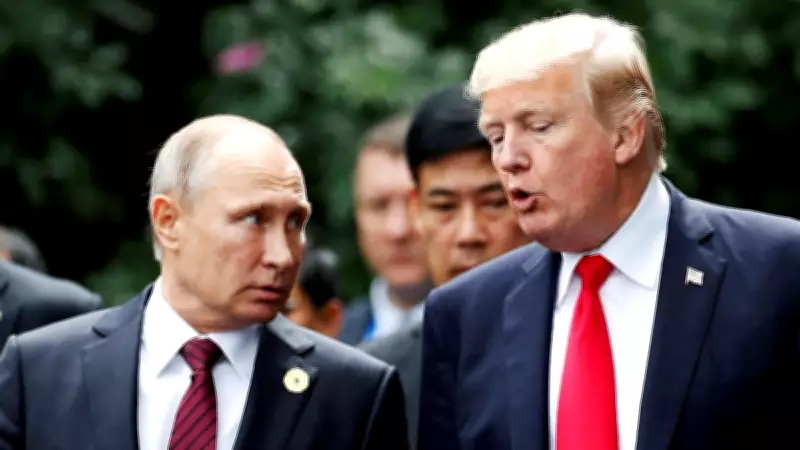
The Kremlin has made a significant claim regarding diplomatic communications between former U.S. President Donald Trump and Russian President Vladimir Putin. According to official statements from Moscow, Trump specifically asked Putin to halt military strikes on the Ukrainian capital of Kyiv until February 1. This revelation comes amid ongoing tensions in the region, highlighting the complex international dynamics surrounding the conflict.
Ukraine's Conditional Offer of Reciprocal Restraint
In a related development, Ukraine has publicly stated its willingness to reciprocate if Russia chooses to forgo strikes on the country's critical energy infrastructure. This offer is particularly crucial given the current period of bitterly cold weather sweeping across Ukraine. The severe winter conditions have amplified concerns about civilian safety and the stability of essential services, making protection of energy facilities a humanitarian priority.
The Ukrainian government's position reflects a strategic approach to conflict management during extreme weather. By proposing reciprocal restraint, Ukraine aims to create temporary windows of reduced hostilities that could benefit civilian populations. However, this remains conditional upon Russia's actual compliance with any such agreements, and previous patterns of military engagement suggest continued vigilance is necessary.

Timing and Implications of the Alleged Request
The timing of the alleged request from Trump to Putin raises important questions about diplomatic channels and conflict mediation efforts. With the deadline set for February 1, this period coincides with heightened international attention on the war's humanitarian dimensions. The Kremlin's decision to publicly disclose this communication suggests possible political motivations, potentially aimed at influencing perceptions of external involvement in the conflict.
Analysts note that such claims must be evaluated within the broader context of information warfare, where narratives about foreign influence can serve multiple strategic purposes. The response from Trump's representatives or U.S. officials will likely provide further clarity on the authenticity and context of these alleged discussions.
Weather Conditions and Military Strategy
The bitterly cold weather affecting Ukraine adds another layer of complexity to military operations and civilian resilience. Energy infrastructure becomes particularly vulnerable during extreme cold, as damage to power grids can have catastrophic consequences for heating and essential services. Ukraine's offer to reciprocate restraint on energy targets acknowledges this vulnerability while attempting to establish norms of protection during humanitarian crises.
This situation underscores how environmental factors can influence conflict dynamics, potentially creating opportunities for temporary de-escalation or, conversely, exacerbating humanitarian emergencies if infrastructure is targeted. The international community continues to monitor these developments closely, with many urging all parties to prioritize civilian protection regardless of military objectives.