The North East Monsoon season, a critical period for Tamil Nadu's water resources and agriculture, officially concluded on December 31, 2023, with the state recording an overall rainfall deficit. According to data from the India Meteorological Department (IMD), Tamil Nadu received 3% less rain than its long-term average for the season.
Seasonal Rainfall Performance and District-Wise Disparities
While the state-wide deficit appears moderate, the distribution of rainfall was highly uneven across districts. The IMD classifies rainfall performance based on percentage deviation from the Long Period Average (LPA). The season's data reveals a mixed bag for the region.
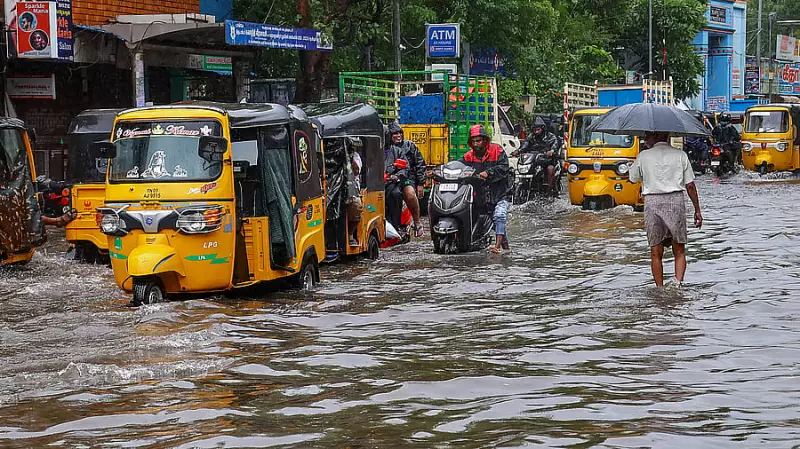
The coastal districts, which typically rely heavily on the North East Monsoon, experienced significant shortfalls. Notably, Chennai, the capital city, ended the season with a concerning 17% deficit. Other crucial coastal regions like Chengalpattu and Kancheepuram also faced deficient rainfall, putting pressure on water storage in reservoirs that supply the metropolitan area.

In contrast, several interior and southern districts received normal or even excess rainfall. This patchy pattern highlights the variable nature of the monsoon and its localized impact on farming communities and groundwater recharge.
IMD's Analysis and the Withdrawal Process
The IMD confirmed that conditions have become favourable for the complete withdrawal of the North East Monsoon from the entire country. This formal declaration marks the end of the primary rainy season for peninsular India.
Meteorologists attribute the overall deficit to weaker-than-expected weather systems forming in the Bay of Bengal during the core monsoon months of October and November. The number of intense low-pressure areas and depressions, which are the main drivers of heavy rainfall along the coast, was lower than usual this year.
The withdrawal process itself is a monitored meteorological event. It commenced from parts of south Tamil Nadu and has now extended across the state, indicating a firm shift in the weather pattern towards drier conditions.
Implications for Water Resources and Agriculture
The 3% state-wide deficit, coupled with the acute shortfalls in key agricultural and urban zones, has tangible consequences. The North East Monsoon is responsible for replenishing about 60% of Tamil Nadu's annual rainfall, crucial for:
- Agriculture: The 'Samba' paddy crop cultivation is heavily dependent on this rainfall. Deficits in the Cauvery delta and other farming belts can affect crop yield and farmer incomes.
- Water Supply: Major reservoirs like Poondi, Cholavaram, and Red Hills, which supply Chennai, depend on monsoon inflows. A deficit season delays the recovery of water levels and necessitates careful management through the upcoming summer.
- Groundwater: The monsoon is vital for recharging aquifers. A poor season means deeper borewells and increased stress for rural and suburban areas dependent on groundwater.
While the deficit is not catastrophic on a macro scale, its uneven nature poses challenges for regional planners and farmers. Authorities are now likely to shift focus to water conservation measures and assess the stock in key dams to plan for the water needs in the months leading up to the next Southwest Monsoon.
The conclusion of this monsoon season sets the stage for the typical dry winter and summer period in Tamil Nadu, making efficient water management the immediate priority for the state government and civic bodies.