

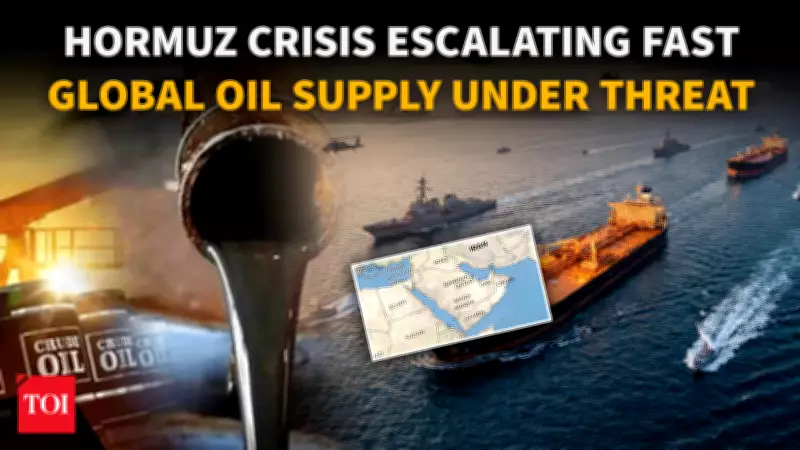
Strait of Hormuz Crisis Deepens: Iran's Challenge Surpasses Red Sea Tensions
The Strait of Hormuz has once again emerged as the epicenter of a global geopolitical crisis, with escalating tensions involving Iran, the United States, and allied nations pushing this vital maritime chokepoint to the brink of conflict. This latest development carries stakes that experts believe may exceed even the recent Red Sea turmoil, creating a precarious situation for international trade and energy security.
The Critical Importance of the Strait of Hormuz
The strategic significance of the Strait of Hormuz cannot be overstated. This narrow waterway serves as the primary conduit for approximately one-fifth of the world's total oil supply, making it an indispensable artery for global energy markets. Any disruption to shipping through this passage has immediate and profound consequences for oil prices and economic stability worldwide.
The current crisis has already demonstrated its impact: shipping traffic through the strait has noticeably decreased, while global oil prices have experienced sharp increases. This economic ripple effect underscores how regional tensions in the Middle East can quickly transform into international economic challenges.

Comparing the Red Sea and Hormuz Crises
While Western forces previously struggled to fully secure shipping routes from Houthi attacks in the Bab el-Mandeb Strait during the Red Sea crisis, the current situation in the Strait of Hormuz presents a fundamentally different and more complex challenge. Iran possesses significantly more advanced military capabilities and exercises direct geographic control over the strategic waterway.
Iran has already demonstrated its disruptive potential through multiple means:
- Deployment of naval mines in strategic locations
- Missile threats against commercial and military vessels
- Direct attacks on shipping traffic
- Advanced surveillance and targeting systems
These actions have resulted in a dramatic reduction in ship movement through the region, forcing major global shipping companies to reconsider their routes and implement costly security measures.
The Economic Imperative for Western Powers
For Western nations, particularly the United States and its allies, securing the Strait of Hormuz represents more than just a military objective—it has become an economic necessity. A prolonged disruption to shipping through this critical passage could trigger:
- Significant inflationary pressures across global markets
- Energy shortages in dependent nations
- Financial market instability
- Increased transportation costs affecting global trade
This crisis transcends typical regional conflicts, evolving into what security analysts describe as a high-risk global flashpoint with potential ramifications for the entire international economic system.
The Future of Western Power in the Region
As tensions continue to escalate, the Strait of Hormuz crisis may represent the most significant test of Western military and diplomatic power in modern times. The complexity of the situation stems from Iran's combination of geographic advantage, military sophistication, and strategic positioning.
The international community now faces a critical juncture where diplomatic solutions must be pursued alongside military preparedness. The outcome of this crisis will likely shape global energy security and Middle Eastern geopolitics for years to come, making it one of the most closely watched international developments of our time.






