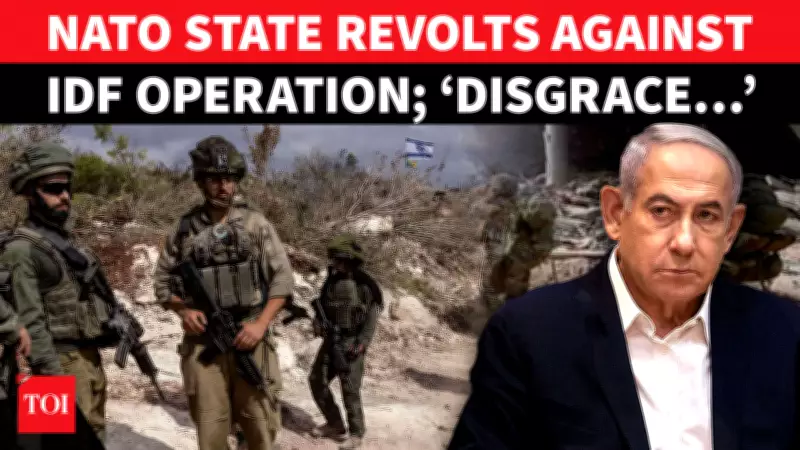
Spain's Strong Condemnation of Israeli Ground Operation in Lebanon
In a significant diplomatic development, Spain has issued a forceful condemnation of Israel's recent ground military operations in southern Lebanon. The Spanish government, through its Foreign Minister José Manuel Albares, has labeled the Israeli action as a "huge mistake" and, more starkly, a "disgrace for humanity." This marks the clearest and most direct European criticism of Israel's military maneuvers in Lebanon to date.
Details of the Israeli Ground Operation
Israel has initiated limited ground operations against Hezbollah positions in southern Lebanon. This represents the first instance of Israeli ground forces moving into Lebanese territory since the onset of the broader regional conflict. The operation is focused on areas south of the Litani River, a strategic region that has been a flashpoint in past conflicts.
Israeli Defence Minister Israel Katz has made a firm statement regarding the situation, asserting that Shia residents who evacuated from southern Lebanon "will not return south of the Litani" until Israel's northern security is fully guaranteed. This declaration underscores the strategic objectives behind the ground movement and highlights the ongoing tensions regarding territorial control and civilian displacement.

Spain's Diplomatic Response and Actions
The Spanish condemnation is not merely rhetorical; it is backed by concrete diplomatic actions. Spain has already recalled its ambassador from Tel Aviv, a significant step that signals deep disapproval and a potential downgrading of bilateral relations. Furthermore, Spain has refused the United States permission to use joint military bases for operations related to this conflict, demonstrating a clear stance of non-cooperation with actions it deems unacceptable.
Foreign Minister Albares pointed to the humanitarian crisis as a primary reason for Spain's strong position. He highlighted that nearly one million Lebanese civilians have been displaced due to the hostilities, creating a severe humanitarian emergency. Additionally, Albares referenced attacks on the United Nations Interim Force in Lebanon (UNIFIL), which includes Spanish troops among its personnel. These attacks on peacekeeping forces have raised international alarm and contributed to Spain's vocal criticism.
Broader Implications and European Context
Spain's voice stands out as the most unequivocal European condemnation of Israel's actions in Lebanon. While other European nations may have expressed concerns, Spain's combination of strong language, ambassador recall, and base access denial places it at the forefront of diplomatic opposition. This could influence other European Union member states to adopt firmer positions or could lead to discussions within EU forums about a coordinated response.
The situation remains fluid, with the ground operation ongoing and diplomatic reactions continuing to evolve. The involvement of UNIFIL, an international peacekeeping force, adds a layer of complexity, as attacks on such forces are typically viewed as violations of international norms and agreements.
As the conflict persists, the international community will be closely monitoring developments, with Spain's stance potentially serving as a bellwether for broader European and global diplomatic trends regarding the Israel-Lebanon theater of the wider regional war.