Red-Necked Keelback Snakes: Nature's Ingenious Toxic Borrowers
In the intricate web of nature, some creatures evolve extraordinary survival strategies that challenge conventional wisdom. Among them is the red-necked keelback snake, a species that defies the norm by not producing its own venom. Instead, this remarkable reptile borrows toxins from its meals, specifically poisonous toads, storing them in specialized glands for defensive purposes. This adaptation highlights how predators can repurpose the defences of other animals, offering a fascinating glimpse into evolutionary innovation.
How Toxin Storage Works in Keelback Snakes
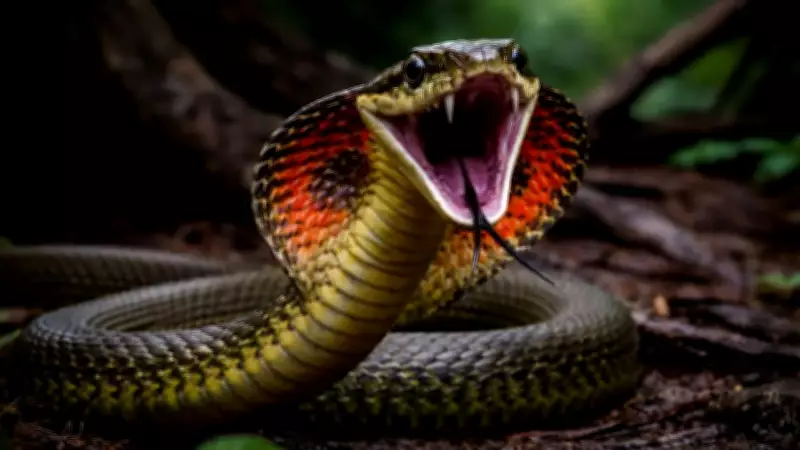
Scientifically known as Rhabdophis subminiatus, the red-necked keelback feeds on toxic toads. Upon ingestion, toxin molecules called bufadienolides are absorbed through the intestines. These compounds are then transported to paired storage organs known as nuchal glands, located around the snake's neck. By reusing toxins already present in its environment, the snake gains a defensive advantage without the metabolic cost of venom production. When threatened, it can adopt a raised neck posture, exposing these toxin-filled glands as a clear warning signal to potential predators.
Defensive Behavior Linked to Diet
The defensive tactics of the red-necked keelback are closely tied to its recent dietary intake. When the snake has consumed toxic prey, its behavior becomes notably more assertive. It raises its body, flares its neck, and confidently faces threats such as mongooses, adopting a posture that resembles a deliberate challenge. Conversely, if the snake has not eaten toxic prey recently, it tends to avoid confrontation and may attempt to escape. This stark difference underscores the critical role diet plays in shaping defensive responses, though the precise internal mechanisms driving this behavior remain a subject of ongoing research.

Study Insights on Toxin Level Monitoring
A recent study led by behavioural ecologist Tomonori Kodama from Nagoya University, as reported by Scientific American and authored by Christa Lesté-Lasserre, investigated whether these snakes can assess their toxin levels. Researchers fed some snakes toxic toads and others non-toxic prey, then simulated predator attacks to observe their responses. In a surprising twist, when toxins were removed from the nuchal glands of some snakes and the tests repeated, their defensive posture did not change significantly. This finding suggests that the snakes might not directly monitor their toxin reserves. Instead, they could be relying on the memory of their most recent meals to guide their defensive decisions, raising intriguing questions about cognitive processes in reptiles.
The red-necked keelback's ability to borrow and utilize toxins from its environment exemplifies nature's resourcefulness. This adaptation not only provides a cost-effective defense mechanism but also adds to our understanding of animal behavior and evolution. As research continues, these snakes offer valuable insights into how species adapt to survive in competitive ecosystems.