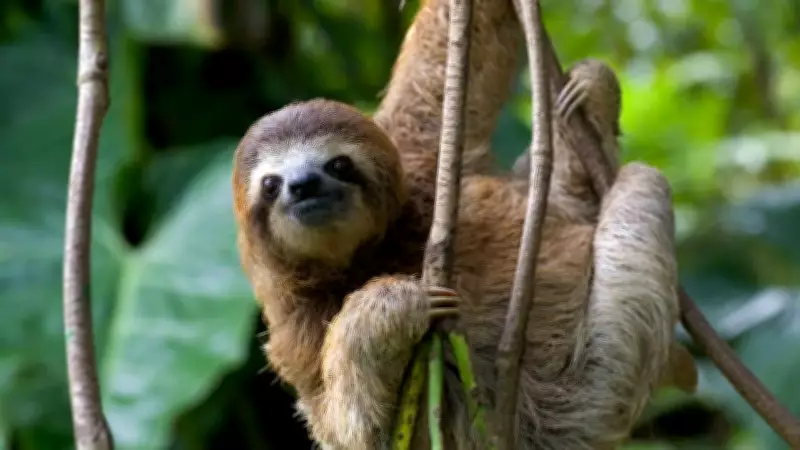
The Hidden Dangers of Sloths: Survival in the Rainforest's Predator-Rich Environment
Sloths are often perceived as slow-moving and harmless creatures, but their life in the wild is fraught with harrowing challenges. Native to the lush rainforests of Central and South America, these animals are surrounded by hidden threats from predators that have adapted to hunt them in their own habitat. Instead of relying on speed or strength for protection, sloths depend on stillness and strategic use of their environment, primarily living high in the upper canopy of the rainforest. This creates a constant equilibrium between avoiding detection and becoming prey, highlighting the intricate dynamics of rainforest ecosystems where different species rely on each other for survival.
Sloths' Habitat and Lifestyle in Tropical Rainforests
Sloths require the protection and food sources found in tropical rainforest canopies for every aspect of their lives. The dense vegetation of trees provides excellent concealment, allowing them to hide while feeding on low-nutrient leaves. This diet contributes to their slow movement rates and significant energy conservation. Typically, sloths prefer to remain in the canopy, descending to the ground only temporarily. When they do venture down, the exposure to ground-area predators, such as jaguars and ocelots, is much greater than in the trees, making these moments particularly dangerous.
Why Are Sloths Slow and How Does It Affect Their Survival?
Sloths possess an energy-efficient body structure, which is the primary reason for their slow movements. Their metabolism is so low that they do not need to eat frequently, allowing them to conserve energy. Although this slowness might seem like a disadvantage, it actually enables them to blend seamlessly into their environment. Over time, their fur develops an algae coating that serves as natural camouflage, helping them blend in with surrounding foliage. A study titled "High moon brightness and low ambient temperatures affect sloth predation by harpy eagles" emphasizes that environmental conditions and visibility play crucial roles in predation risk, confirming that camouflage and minimal movement are key survival strategies in predator-rich habitats.

Sloth Predators in the Rainforest: Harpy Eagles, Ocelots, and Jaguars
Despite their camouflage, sloths face skilled predators that use stealth and strength to hunt them. The harpy eagle is one of the most adept predators, swooping down from above to snatch sloths off branches with remarkable agility and strength. In addition to birds of prey, wild cats like the ocelot are stealth hunters that stalk their prey silently before ambushing. Jaguars, large carnivores capable of climbing efficiently, can chase down and overpower sloths quickly. These predators operate across multiple layers of the forest, making sloths vulnerable from various angles.
How Predators Hunt Sloths in Trees and on the Ground
Predators employ diverse strategies depending on the sloth's location. Birds of prey typically attack from above, relying on speed and precise timing, while cats use stealth to track and wait for the perfect moment to strike. For sloths, the most perilous times occur when they leave the trees. On the ground, their inefficiency and lack of resistance make them easier targets, as they cannot move quickly to escape threats.
Why Predators Target Sloths and What Makes Them Vulnerable
Sloths are hunted not only due to their slow pace but also because of their repetitive behaviors. They often stay on one tree for extended periods and follow predictable patterns, such as descending to the ground at specific times, which makes it easier for predators to anticipate their actions. Furthermore, their body structure is designed for hanging and clinging rather than rapid movement. This limits their ability to change direction suddenly or avoid approaching enemies, even when in the trees.

How Sloths and Predators Maintain Ecosystem Balance
The predator-prey relationship between sloths and their hunters is vital for maintaining balance in rainforest ecosystems. Predators help control sloth populations, while sloths contribute by feeding on plants in specific ways that influence vegetation growth. Disruptions to this balance, such as habitat destruction, can have cascading effects on the entire ecosystem. Therefore, protecting sloths is not just about conserving a single species but also about safeguarding the intricate web of life in rainforests.