

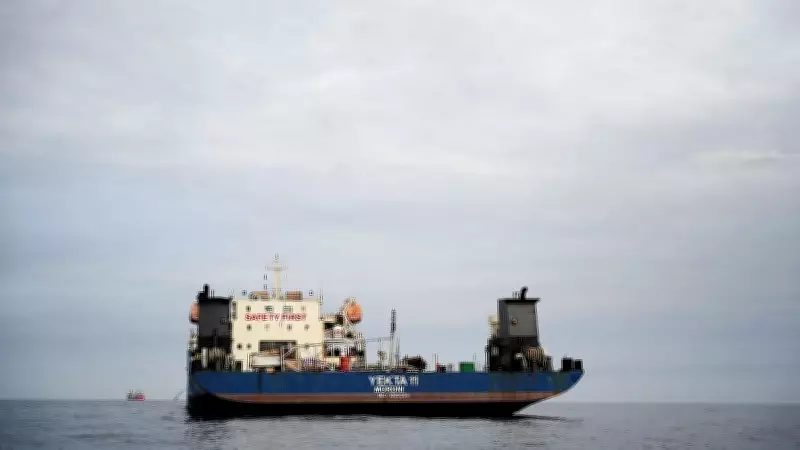
US-Sanctioned Tankers Defy Blockade by Passing Through Strait of Hormuz
Recent data from leading maritime tracking services has revealed a significant development in the ongoing geopolitical tensions in the Middle East. According to information compiled by LSEG, MarineTraffic, and Kpler, several tankers that are under United States sanctions have successfully navigated through the strategically vital Strait of Hormuz. This movement occurred despite the imposition of a US-led maritime blockade aimed at restricting such vessels from accessing key shipping lanes.
Key Findings from Maritime Data Analysis
The data indicates that the Rich Starry tanker is notably the first sanctioned vessel to complete a transit through the strait and exit the Persian Gulf since the blockade was initiated. This event marks a potential challenge to US enforcement efforts in the region, which have been intensified to curb the flow of oil and other commodities from sanctioned entities. The Strait of Hormuz is a critical chokepoint for global oil shipments, handling approximately one-fifth of the world's petroleum trade, making any breach of the blockade a matter of international concern.
Implications for Global Trade and Security

The passage of these tankers raises questions about the effectiveness of the US blockade and its impact on global maritime security. Analysts suggest that this development could signal resilience among sanctioned nations or entities in circumventing restrictions, potentially leading to increased volatility in oil markets. Furthermore, it highlights the complexities of enforcing sanctions in international waters, where jurisdictional issues and diplomatic pressures often come into play.
Broader Context and Regional Dynamics
This incident occurs against a backdrop of heightened tensions in the Middle East, with the US and its allies seeking to exert pressure through economic measures. The ability of sanctioned tankers to traverse the Strait of Hormuz may prompt a reassessment of blockade strategies and could influence future policy decisions regarding maritime interdiction operations. Stakeholders in the energy sector and international relations are closely monitoring these developments for their potential effects on trade routes and geopolitical stability.






