Engineers and Scientists Undertake Unprecedented River Relocation to Save Fragile Ecosystems
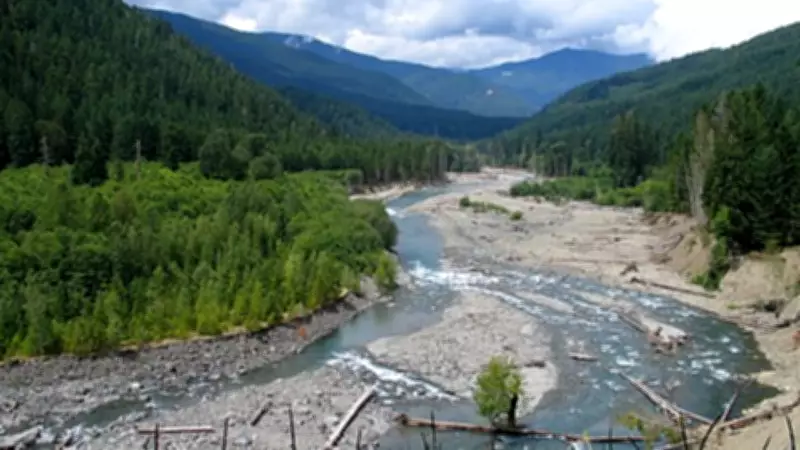
In a remarkable environmental initiative unfolding within a single province, engineers and scientists are executing unprecedented work by physically moving rivers. This extreme measure aims to preserve vulnerable lakes, fish populations, and entire ecosystems that face existential threats. While such interventions might appear drastic, experts argue they have become necessary due to the compounding crises of climate change, severe water shortages, and extensive human interference with natural systems.
Leaving these ecosystems unchecked would inevitably lead to far greater ecological damage, making these complex projects essential despite their significant challenges.
River Diversion Emerges as a Tool for Ecological Restoration
Although the concept of river diversion is not new, its application for ecological restoration purposes is gaining traction globally. In simple terms, river diversion involves redirecting water flow from one location to another. This technique serves multiple objectives, including strategic water management and the rehabilitation of degraded environments.

A prime example documented by the International Institute of Sustainable Development is the pioneering diversion project in Canada's Experimental Lakes Area. In this groundbreaking initiative, scientists successfully altered water flow, reducing inflow by approximately 80%. This controlled experiment allowed researchers to meticulously observe how the ecosystem responds to significant reductions in water volume.
Hydrologist Christopher Spence notes that such experimental manipulations are rare in environmental science, stating, "we don't typically conduct experimental manipulations on this scale." These projects powerfully demonstrate how altering water flow can fundamentally reshape ecosystem structures and functions.
Protecting Aquatic Life Through Strategic Water Management
The primary objective of river relocation projects centers on safeguarding ecosystems that depend on consistent water influx to maintain critical environmental parameters. These parameters are vital for ensuring the survival of resident fish species and overall ecological balance.
Lakes, for instance, require continuous water flow to regulate temperature, maintain oxygen levels, and circulate essential nutrients. Numerous scientific studies confirm that modifying water influx profoundly impacts all forms of aquatic life.
One illustrative case comes from experiments at Lake 626, where reduced water inflow caused warmer water layers to become more dominant. This thermal shift decreased available habitat for cold-water species like lake trout, forcing fish to abandon their traditional territories.
Research published in 'River Channel Relocation: Problems and Prospects' indicates that large-scale river relocation projects generate complex outcomes, affecting free-flowing river stretches and producing both beneficial and detrimental consequences for aquatic ecosystems.
Environmental Costs and the New Era of Water Management
Despite potential benefits, river diversion projects carry substantial environmental risks. Water redirection can create problems for downstream regions, disrupt natural sediment flow patterns, and negatively impact fisheries. Historical examples reveal these dangers, such as the destruction of salmon fisheries in Canada's Bridge River following earlier diversion efforts that altered water courses.
Contemporary projects like China's massive South-North Water Transfer Project illustrate modern attempts to address chronic water shortages and promote regional development through hydrological engineering. Such initiatives highlight the extent to which humanity now intervenes in natural processes to secure resources and enable progress.
The challenge of river diversion extends beyond technical difficulties to encompass ethical and environmental dilemmas. While deteriorating natural conditions increasingly compel human intervention, these projects raise difficult questions about whether we can preserve one ecosystem without causing harm to another.

As climate change accelerates and water scarcity intensifies, the debate over river relocation projects will likely grow more urgent, balancing immediate ecological needs against long-term environmental consequences.