Rajasthan Pollution Control Board Launches Comprehensive Jojari River Restoration Initiative
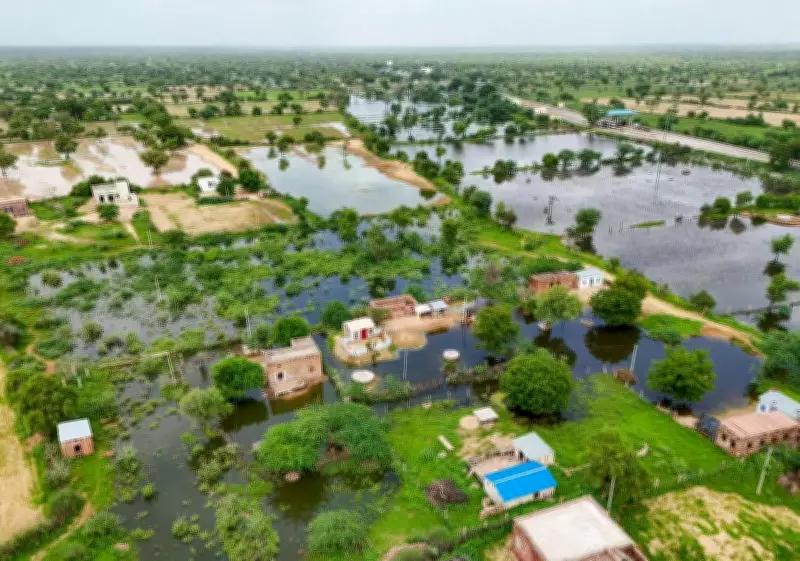
The Rajasthan State Pollution Control Board (RSPCB) has announced a multi-pronged strategy to address pressing environmental concerns in the Jojari river region. The plan emphasizes large-scale plantation efforts alongside the scientific management of industrial waste, particularly from textile clusters, to ensure sustainable industrial growth while preserving ecological balance.
Plantation Drives and Coordinated Action for Ecological Improvement
RSPCB Chairperson Aparna Arora stated that coordinated efforts are being mobilized to tackle the region's environmental challenges. "Directives have been formally issued to execute extensive plantation activities along and surrounding the Jojari river to enhance and restore local ecological conditions," Arora confirmed. This initiative forms a core component of the board's strategy to mitigate pollution and rehabilitate the riverine ecosystem.
Scientific Approach to High-Risk Industrial Waste Management
A significant focus of the plan is addressing waste generated from High Rate Trans Evaporation Systems (HRTS), commonly used in textile industries. An RSPCB official explained the gravity of the situation: "HRTS waste poses a major environmental threat as it consists of highly concentrated industrial effluents. Improper handling can lead to severe soil and groundwater contamination, creating long-term public health risks."

To develop a sustainable, scientific solution for this waste, the Board will actively seek technical expertise and support from premier institutions like the National Institute of Hydrology. The strategy includes:
- Adopting advanced scientific treatment methodologies for industrial effluents.
- Enhancing real-time monitoring and compliance mechanisms for industries.
- Collaborating with hydrological experts to formulate long-term, sustainable waste management protocols for textile clusters.
Legal Context and Supreme Court's Stance on Pollution Control
The board's actions are set against a backdrop of legal directives. The National Green Tribunal (NGT), in its order dated February 25, 2022, had imposed substantial penalties of Rs 2 crore each on the Rajasthan Industrial Development and Investment Corporation (RIICO) and the municipal bodies of Jodhpur, Pali, and Balotra. The tribunal mandated:
- Strict enforcement of zero liquid discharge norms for industries.
- Closure of units found to be polluting beyond permissible limits.
- Implementation of a comprehensive river remediation plan involving the Central Pollution Control Board (CPCB), RSPCB, and local administrations.
Following this, appeals were filed in the Supreme Court by RIICO, Balotra Municipal Council, Pali Municipal Council, and Jodhpur Municipal Corporation, challenging the NGT's directions. However, the apex court observed that persisting with these appeals might be untenable given the ongoing environmental and public health crisis affecting residents. The court subsequently issued directions to expedite pollution control measures in the region.
Board Meeting Reviews Compliance and Formulates Action Plan
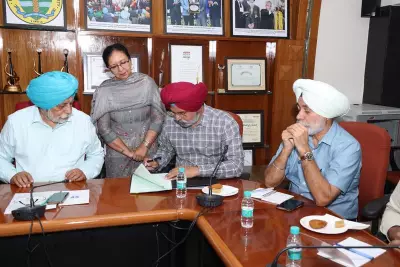
The issue was thoroughly reviewed during a high-level meeting at the RSPCB headquarters. Discussions centered on water pollution caused by textile industries, compliance with environmental regulations in industrial zones, and the critical need to draft a clear, actionable plan to ensure effective implementation of all directives. The official added that the meeting reinforced the commitment to a structured approach for restoring the Jojari river's health.