Qatar Issues 24-Hour Expulsion Order to Iranian Embassy Staff Following Gas Facility Attack
In a dramatic escalation of regional tensions, Qatar has ordered all staff at the Iranian embassy to leave the country within 24 hours. This decisive action comes in direct response to a recent attack on a major gas facility, which has raised significant security alarms and prompted swift diplomatic repercussions.
Immediate Diplomatic Fallout After Security Breach
The Qatari government issued the expulsion directive late on March 19, 2026, following what it described as an unacceptable breach of security linked to the Iranian mission. Officials confirmed that embassy personnel, including diplomats and support staff, must depart Qatar immediately, with the deadline set for less than a day from the announcement.
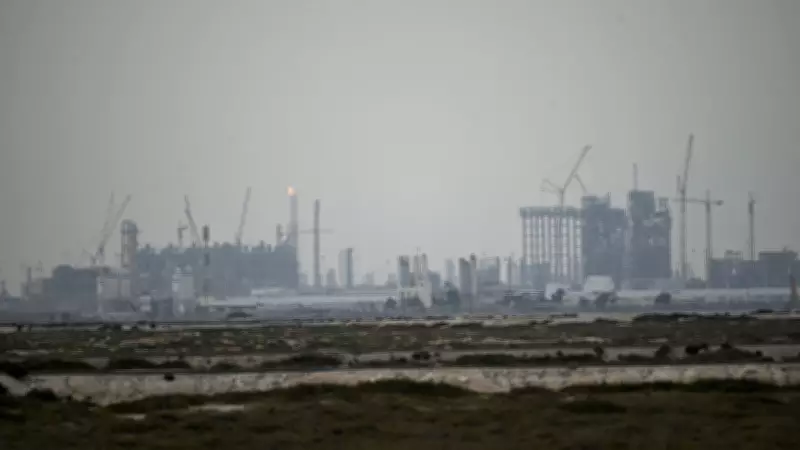
This move underscores the severity with which Doha views the incident, which targeted a critical infrastructure site central to Qatar's energy exports. The gas facility, a key component of the nation's liquefied natural gas (LNG) operations, suffered damage in the attack, though specific details on casualties or operational impact remain under investigation.

Background and Regional Implications
Qatar and Iran have maintained a complex relationship, often balancing diplomatic ties with regional alliances. However, this expulsion marks a significant downturn, reflecting:
- Heightened security concerns in the wake of the attack, which authorities suspect may have involved external elements.
- Diplomatic strain as Qatar aligns more closely with Gulf Cooperation Council (GCC) partners on security matters.
- Potential economic repercussions, given Qatar's role as a major LNG exporter and Iran's influence in the region.
Analysts note that such a rapid expulsion is rare in international diplomacy, typically reserved for incidents perceived as direct threats to national sovereignty. The 24-hour timeframe leaves little room for negotiation, signaling Qatar's firm stance on safeguarding its infrastructure.
Ongoing Investigations and Future Outlook
Qatari security forces are actively investigating the gas facility attack, with preliminary reports suggesting possible sabotage or coordinated assault. While no group has claimed responsibility, the timing and target have raised suspicions about state-sponsored involvement, leading to the embassy staff expulsion.
The fallout is expected to ripple across the Middle East, affecting:
- Regional diplomacy, as other nations may reassess their ties with Iran amid escalating tensions.
- Energy markets, with potential disruptions to Qatar's gas exports if security measures intensify.
- International relations, given Qatar's strategic partnerships with global powers like the United States.
As updates emerge, the situation remains fluid, with both countries likely to engage in behind-the-scenes discussions to mitigate further escalation. For now, the expulsion order stands as a stark reminder of the volatile security landscape in the Gulf region.