Punjab Leaders Advocate for Eco-Friendly Religious Celebrations to Tackle Plastic Waste
In a significant move to address environmental concerns, Giani Kuldeep Singh Gargaj, the acting jathedar of the Akal Takht, and Reena Gupta, chairperson of the Punjab Pollution Control Board (PPCB), jointly appealed to the people of Punjab on Monday to adopt sustainable practices during religious and cultural gatherings. The leaders emphasized the urgent need to reduce plastic pollution and promote ecological harmony.
Joint Appeal at Shri Kesgarh Sahib for Plastic-Free Initiatives
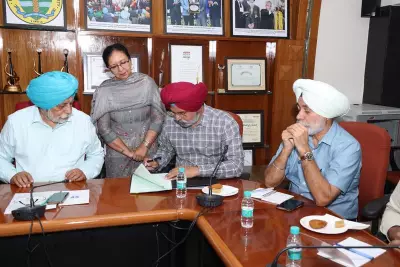
The two officials met at Shri Kesgarh Sahib in Patiala and issued a strong joint statement, urging the sangat (congregation) to completely refrain from using single-use plastic and thermocol-based products. This appeal specifically targets practices during the serving of langar (community kitchen meals), parshad (religious offering), and other ceremonial offerings.
Giani Kuldeep Singh Gargaj highlighted the spiritual imperative behind environmental care, stating that preserving the sanctity of religious places inherently involves protecting the natural world. He called for a concerted effort to increase Punjab's green cover amidst rapid urbanization, noting that the importance of 'rukh' (trees) and living in harmony with nature remains deeply embedded in the teachings of the Sikh Gurus.

Health Risks and Sustainable Alternatives Emphasized
Reena Gupta expressed grave concern over the proliferation of microplastics, which are increasingly detected in both the environment and human bodies, posing serious long-term health risks. She urged citizens to integrate sustainable habits into their daily lives, such as minimizing plastic consumption and opting for reusable alternatives like cloth and jute bags.
The leaders encouraged a return to traditional reusable steel utensils, aligning with Sikh principles of sewa (selfless service) and respect for nature. They pointed to the successful plastic-free Hola Mohalla initiative at Anandpur Sahib, supported by the Shiromani Gurdwara Parbandhak Committee (SGPC), as a model that combines widespread awareness with actionable steps to curb single-use plastic.
Building on Success for Future Events
Both sides called for these eco-friendly efforts to be extended and intensified during upcoming major events like Baisakhi, aiming to make the avoidance of single-use plastic a natural and ingrained practice. The initiative seeks to build on the momentum from Hola Mohalla and foster a sustained, community-led movement towards cleaner and greener celebrations across Punjab.
As part of this ongoing effort, the PPCB announced plans to set up an awareness stall at Talwandi Sabo during the Baisakhi Mela. A recent meeting with the management of Takhat Shri Damdama Sahib reaffirmed a shared commitment to organizing an eco-friendly fair with a strict prohibition on single-use plastics, setting a positive example for the entire state.
This collaborative approach between religious and environmental authorities underscores a growing recognition of the critical link between cultural practices and ecological sustainability, aiming to inspire lasting change in Punjab's community gatherings.