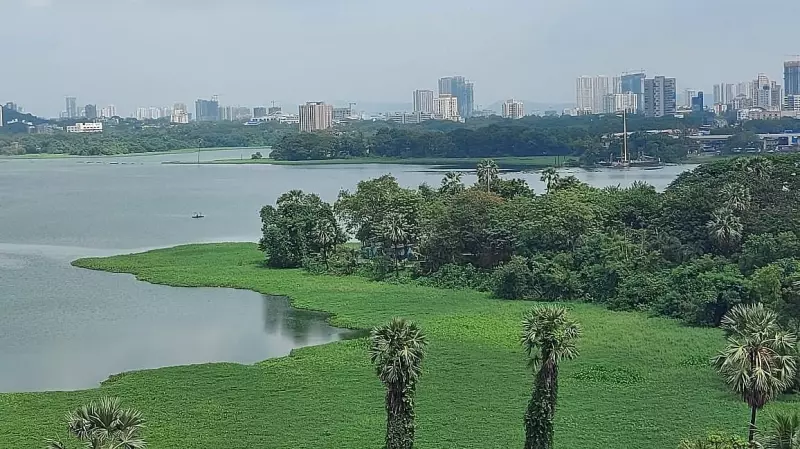
Mumbai's Iconic Powai Lake Set for Major Sewage Cleanup by May 2026
The Brihanmumbai Municipal Corporation (BMC) has unveiled an ambitious plan to transform Powai Lake, one of Mumbai's most cherished landmarks, into a sewage-free water body by May 2026. This initiative marks a significant step in the city's ongoing efforts to improve its environmental sustainability and public health standards.
Project Details and Timeline
According to BMC officials, the project involves a comprehensive strategy to eliminate sewage inflow into the lake, which has been a persistent issue affecting its water quality. The cleanup will focus on intercepting and diverting sewage streams that currently discharge into the lake, alongside implementing advanced treatment systems. The target completion date is set for May 2026, with phased milestones to ensure timely progress.
Key components of the plan include:

- Installation of new sewage pipelines to redirect waste away from the lake.
- Upgradation of existing treatment facilities to handle increased capacity.
- Regular monitoring and maintenance protocols to prevent future contamination.
Ecological and Social Impact
Powai Lake, located in the northeastern suburbs of Mumbai, is not only a vital water source but also a popular recreational spot for residents and tourists. Over the years, sewage pollution has degraded its ecosystem, posing risks to aquatic life and public health. The BMC's initiative aims to restore the lake's natural balance, potentially boosting biodiversity and making it safer for activities like boating and picnicking.
Experts highlight that this cleanup could serve as a model for similar projects across India, addressing urban water pollution challenges. By achieving a sewage-free status, Powai Lake is expected to enhance Mumbai's green infrastructure, contributing to better air quality and overall urban livability.
Challenges and Community Involvement
While the project is promising, it faces hurdles such as logistical complexities in a densely populated city and the need for sustained funding. The BMC has emphasized collaboration with local communities and environmental groups to ensure transparency and public support. Awareness campaigns will be launched to educate residents on waste management practices that can help protect the lake.
In conclusion, the move to make Powai Lake sewage-free by May 2026 reflects a growing commitment to environmental stewardship in Mumbai. If successful, it could pave the way for cleaner urban water bodies nationwide, aligning with broader goals of sustainable development.