Navi Mumbai: Laboratory Analysis Exposes Severe Water Pollution Threatening Flamingo Habitat
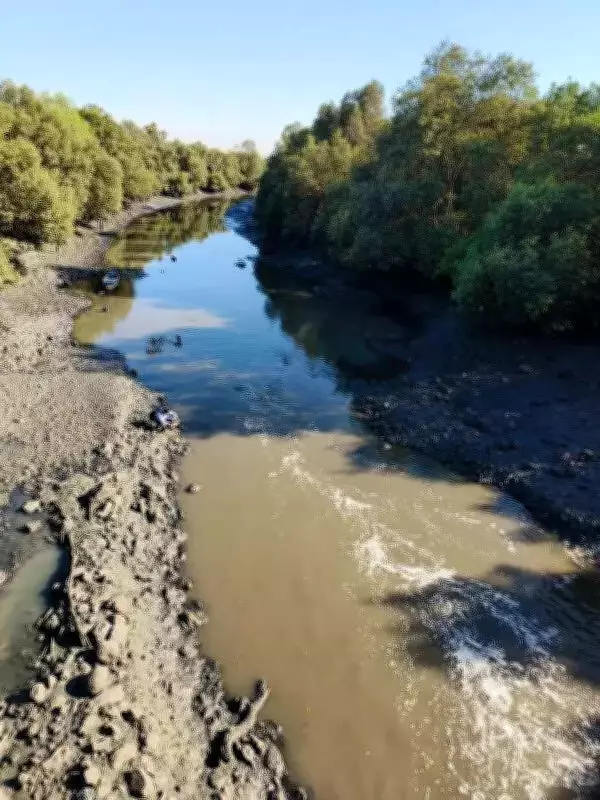
Environmental alarms are ringing in Navi Mumbai following a laboratory analysis of water drawn from a drain adjoining the DPS Flamingo Lake in Nerul. Activists have raised serious concerns, alleging that inadequately treated municipal discharge is flowing into this ecologically sensitive wetland during low tide, creating what they describe as a "terrible stink" at the lake site.
Shocking Laboratory Findings Reveal Critical Water Quality Issues
The sample, tested by SSAS Laboratory, revealed multiple parameters far exceeding acceptable limits for inland water bodies:
- pH Level: Recorded at 9.12 against the acceptable range of 6.5 to 8.5, indicating highly alkaline water that can severely disturb aquatic life and wetland ecology
- Total Dissolved Solids (TDS): Measured at 7,950 mg/L against the prescribed maximum of 2,100 mg/L, pointing to excessive salts and dissolved pollutants
- Biochemical Oxygen Demand (BOD): Registered at 36.4 mg/L, exceeding the permissible limit of 30 mg/L, suggesting organic contamination that reduces oxygen available for aquatic species
- Chemical Oxygen Demand (COD): Recorded at 114.8 mg/L, further indicating pollution levels
The laboratory concluded definitively that the sample did not conform to inland water quality norms, raising urgent questions about sewage treatment standards before discharge into open drains that flow toward the wetland and onward to Thane Creek.

Environmental Groups Sound Alarm Over Wetland Health
The NatConnect Foundation, which commissioned the test, emphasized that the high pH level indicates strongly alkaline water capable of disturbing aquatic life, affecting microorganisms, and worsening stress in fragile wetland ecosystems. The elevated TDS and BOD levels further confirm significant pollution entering the system.
"This is not a routine storm-water channel. It carries water that reaches the flamingo wetland during low tide. If such quality is entering the system, serious questions arise on treatment standards and monitoring," stated B N Kumar, director of NatConnect Foundation.
These findings come amid continuing concern over the health of the DPS Flamingo Lake, which forms part of the wider wetland chain linked to the Thane Creek Flamingo Sanctuary. Earlier water quality examinations of the lake itself had already indicated:
- Heavy organic loading
- Significant algal growth
- Signs consistent with sewage intrusion
- Field observations of froth, oily traces, and thick algae mats on the water surface
Civic Response and Broader Ecological Implications
Navi Mumbai Municipal Corporation officials responded that they have not received formal complaints about this specific issue but stated they would examine the matter if presented with evidence. However, environmental activists argue the problem requires immediate attention.
NatConnect Foundation asserts that the new drain sample strengthens the need for an independent audit of the civic sewage treatment plant and its filtration standards, particularly since the same outflow is believed to move toward the creek ecosystem.
"The issue is larger than one lake. If partially treated water is flowing through drains into wetlands and the creek, the ecological cost could be significant," Kumar emphasized.
Calls for Comprehensive Action and Monitoring
Rekha Sankhala of Save Mangroves & Flamingos Forum has called for several urgent measures:
- Real-time monitoring of sewage treatment plant output
- Comprehensive tidal-flow studies
- Identification and plugging of illegal sewage entry points
- Restoration of the DPS wetland before the next migratory bird season
Experts quoted by activists earlier warned that such pollution indicators often suggest inflow of urban wastewater or mixed sewage discharge, making the habitat unsuitable for aquatic organisms that sustain flamingos and other migratory birds. The laboratory findings now provide concrete evidence supporting these concerns, creating renewed urgency for environmental protection measures in Navi Mumbai's sensitive wetland areas.