

Poila Baisakh Bird Count 2026 Concludes with Over 400 Species Recorded
The fourth edition of the Poila Baisakh Bird Count, an annual summer birding event in West Bengal, wrapped up on Sunday, with preliminary reports indicating participants documented more than 400 bird species during the three-day exercise that commenced on April 17. This citizen science initiative, organized by the Birdwatchers' Society in collaboration with Bird Count India, celebrates the Bengali New Year by encouraging birdwatchers across the state to observe and record avian diversity.
Species Count and Participation Trends
In comparison to previous years, the 2026 count of over 400 species shows a notable decline from the 544 species recorded in 2024 and 523 in 2025. Additionally, the event generated 410 initial checklists, significantly fewer than the 775 checklists submitted last year. Kanad Baidya of the Birdwatchers' Society attributed this reduction to several factors, primarily the ongoing assembly elections in West Bengal, which have diverted many birdwatchers to poll duties, limiting their field participation.
Key Sightings and Rare Birds
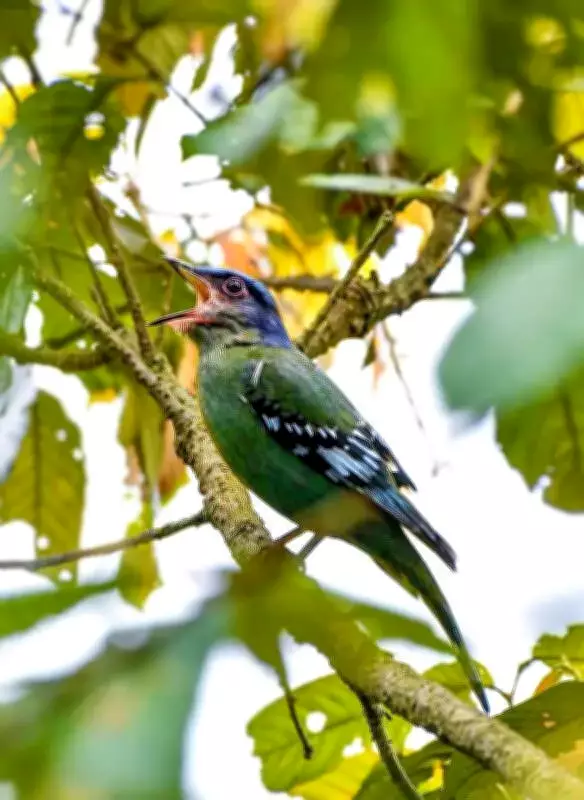
Despite the lower turnout, the bird count yielded exciting discoveries, including several key species. Highlights include the green cochoa spotted in Latpanchar, the critically endangered spoon-billed sandpiper at Patibunia beach in South 24 Parganas—only the second recorded sighting in the state since 2018—and the black-tailed gull at Kargil beach, also in South 24 Parganas. The rush to photograph the rare spoon-billed sandpiper at Patibunia beach concentrated many birders at one site, potentially skewing data collection from other areas.

Impact of Assembly Elections on Participation
The assembly elections significantly affected participation levels, with notable absences from districts like Jhargram and South Dinajpur. Hiya Chatterjee, a Kolkata-based birder and assistant professor at Swarnamoyee Jogendranath Mahavidyalaya, expressed regret at missing the event due to her duties as a presiding officer for the first phase of polling on April 23. Similarly, Samiran Jha, a founder-member of the Birdwatchers' Society from Malda, could not participate because of poll-related training and restrictions in his district, though he engaged in some backyard birding.
District-Wise Performance and Data Challenges
Darjeeling emerged as the top-performing district, recording 218 species and 84 checklists, followed by South 24 Parganas with 135 species and 78 checklists. Sujan Chatterjee of the Birdwatchers' Society emphasized that the event aims to welcome summer and foster community engagement in birdwatching. However, he noted a persistent issue: many birders are not using eBird, an online database for bird records, which may contribute to lower data uploads and incomplete participation metrics.
Broader Implications and Future Outlook
The Poila Baisakh Bird Count serves as a vital tool for monitoring avian populations and promoting conservation awareness in West Bengal. While election-related disruptions posed challenges this year, the event continues to highlight the importance of citizen science in biodiversity tracking. Organizers hope to boost future participation by encouraging more birders to utilize platforms like eBird for data submission, ensuring more comprehensive and accurate records in upcoming editions.






