For decades, the vast, open grasslands of India's Deccan Plateau have been dismissed by policymakers and even some ecologists as unproductive 'wastelands'. This misclassification has paved the way for their destruction, making way for aggressive afforestation drives and agricultural expansion. However, a groundbreaking new study is turning this narrative on its head by drawing evidence from an unexpected source: 2,000-year-old Tamil Sangam poetry.
Verse as Ecological Evidence
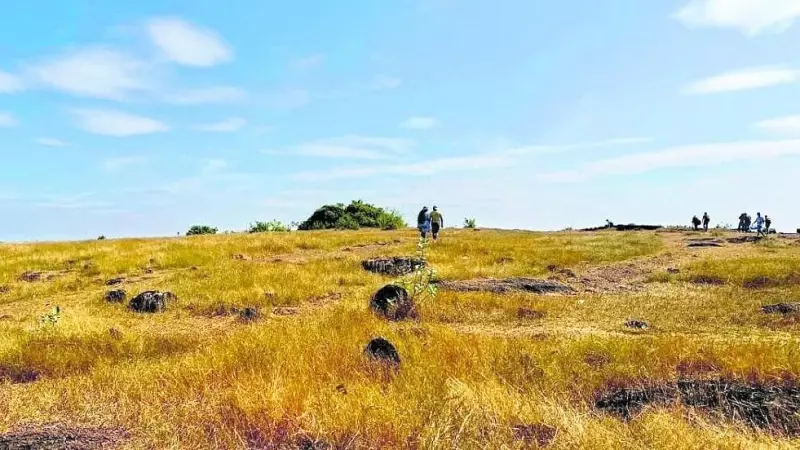
The research, led by ecologists M D Madhusudan and Abi Tamim Vanak from the National Centre for Biological Sciences (NCBS) in Bengaluru, meticulously analysed poems from the Sangam era (300 BCE to 300 CE). These ancient literary works, which vividly describe landscapes known as 'tinai', provide a clear ecological snapshot of a bygone era. The team focused on verses describing the 'Mullai' region, characterized by open, grassy landscapes with scattered trees.
The poetic descriptions were then compared with modern scientific definitions of savannas. The findings were unequivocal. The Sangam-era Mullai matches the definition of a savanna biome perfectly: a mixed ecosystem of grasses and fire-resistant, scattered trees like the hardy Acacia and Ziziphus. This evidence powerfully refutes the colonial and post-colonial view of these lands as degraded forests or barren scrub.

Consequences of Misclassification
Labelling these ancient savannas as 'wastelands' has had severe ecological consequences. This erroneous tag has justified their conversion for other uses. A major threat has been the planting of commercial timber species and dense tree plantations under government schemes, a process that destroys the unique grassland ecology.
These savannas are biodiversity hotspots, home to iconic and endangered species like the blackbuck, great Indian bustard, and wolves. Replacing native grasses with dense tree cover destroys habitat and fragments these ecosystems. The study argues that this misclassification is a primary driver behind the alarming decline of grassland-dependent species across India.
A Call for Recognition and Protection
The research, published in the journal Frontiers in Conservation Science, is more than an academic exercise; it is a clarion call for policy change. The authors urge the Indian government to officially recognize the Deccan Plateau's natural vegetation as savannas and grant them a distinct ecosystem status in conservation frameworks.
This recognition is the first critical step towards their protection. It would necessitate a complete overhaul of current land-use policies, halting inappropriate afforestation, and instead promoting grassland restoration and conservation. The wisdom encapsulated in ancient poetry offers a path to correct a historical wrong and secure the future of these timeless, biodiverse landscapes.
By listening to the past, India can preserve a vital part of its natural heritage for generations to come. The study proves that these are not lands waiting to be 'improved,' but ancient, complex ecosystems that have thrived for millennia and deserve to be protected on their own terms.