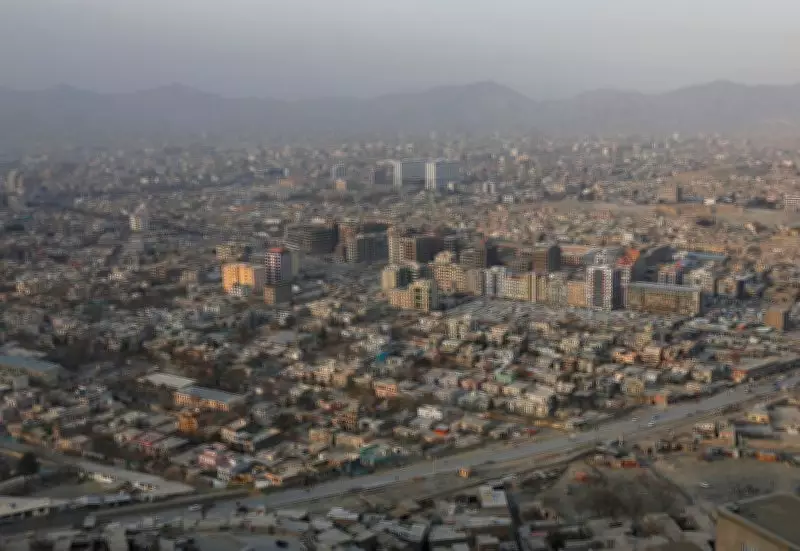
Pakistan Launches Airstrikes in Afghan Cities, Including Kabul and Kandahar
In a significant escalation of regional hostilities, Pakistan has conducted bombings in multiple areas of Afghanistan, with confirmed strikes in the capital city of Kabul and the southern province of Kandahar. This military action targets alleged militant hideouts, according to Pakistani officials, but has sparked immediate condemnation from Afghan authorities, who report civilian casualties and property damage.
Details of the Bombings and Targeted Regions
The airstrikes were carried out early this morning, with explosions reported in Kabul, Kandahar, and several other unspecified regions across Afghanistan. Pakistani military sources claim the operations are aimed at dismantling terrorist networks that have been responsible for cross-border attacks into Pakistan. However, Afghan government spokespersons have denied the presence of such groups in the targeted areas, accusing Pakistan of violating Afghan sovereignty and international law.
Witnesses in Kabul described hearing loud blasts followed by plumes of smoke rising from residential neighborhoods, while in Kandahar, local media reported damage to infrastructure and disruptions to daily life. The exact number of casualties remains unclear, with conflicting reports from both sides. Afghan health officials have stated that at least a dozen people were injured, including women and children, though these figures are yet to be independently verified.

Regional Tensions and Diplomatic Implications
This incident exacerbates long-standing tensions between Pakistan and Afghanistan, which have been strained over issues such as border security, refugee movements, and alleged support for militant groups. The bombings come amid a fragile political climate in Afghanistan, following the Taliban's takeover in 2021, and could undermine ongoing peace efforts in the region. International observers have expressed concern over the potential for a broader conflict, urging both nations to engage in dialogue to de-escalate the situation.
Key points of contention include:
- Pakistan's assertion of self-defense against cross-border terrorism.
- Afghanistan's demand for respect of its territorial integrity.
- The risk of civilian harm and humanitarian crises in affected areas.
Diplomatic channels are reportedly active, with calls from global powers for restraint. The United Nations and neighboring countries are monitoring the developments closely, emphasizing the need for peaceful resolution to prevent further instability in South Asia.
Background and Future Outlook
Historically, Pakistan and Afghanistan have had a complex relationship, marked by periods of cooperation and conflict. Recent years have seen an increase in militant activity along the border, prompting both nations to bolster their military presence. The current bombings represent a significant shift, as Pakistan has previously relied on diplomatic and covert measures to address security threats from Afghan soil.
Looking ahead, analysts predict that this event could lead to:
- Heightened military posturing and potential retaliatory actions.
- Increased international mediation efforts to broker a ceasefire.
- Long-term impacts on regional trade and security agreements.
As the situation unfolds, residents in the targeted areas are advised to remain cautious, while the global community watches for further developments that could reshape geopolitical dynamics in the region.