The Man Who Bought an Island to Save It
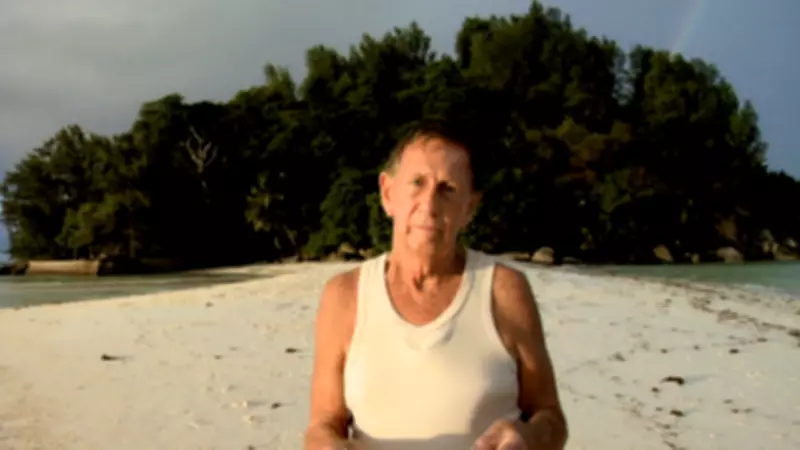
Brendon Grimshaw's remarkable life story represents one of the most inspiring examples of individual-led environmental conservation in modern history. In 1962, this British newspaper editor made an unconventional purchase that would define his legacy: he acquired Moyenne Island, a small, neglected piece of land in the Seychelles archipelago that most considered commercially worthless.
Transforming Barren Land Through Decades of Dedication
When Grimshaw first arrived on Moyenne Island, he encountered a landscape that had been left to decay for decades. The island was completely overgrown with invasive vegetation that smothered any remaining native plants. There were no buildings, roads, electricity sources, or reliable fresh water supplies. Most people viewed the island as unusable, but Grimshaw possessed a different vision. He believed that with sufficient time and dedicated care, nature could recover even from such degraded conditions.
Grimshaw made the extraordinary decision to move permanently to the island, adopting a simple, isolated lifestyle focused entirely on restoration. Working with minimal financial resources and no heavy machinery, he began the painstaking process of clearing invasive plants by hand. Day after day, year after year, he planted saplings, carried soil, and gradually carved walking paths across the terrain. His approach was characterized by remarkable patience—he understood that nature could not be forced but only supported through consistent, gentle intervention.

Rebuilding an Entire Ecosystem Tree by Tree
Over more than five decades, Grimshaw's quiet persistence produced astonishing results. He personally planted approximately 16,000 trees, carefully selecting species that would stabilize the soil and encourage the return of native biodiversity. As invasive plants were gradually removed, indigenous vegetation began to reclaim the landscape. The work was physically demanding and progressed slowly, but the transformation became increasingly visible with each passing year.
As the forest grew and matured, the island's microclimate began to change significantly. Shade from the trees cooled the ground, moisture returned to the soil, and erosion slowed dramatically. What had once been a harsh, exposed landscape gradually transformed into a living forest shaped not by machinery but by human patience and dedication.
With the recovery of plant life, animal populations naturally followed. Aldabra giant tortoises were introduced and thrived in the regenerating environment. Seabirds that had been absent for years began nesting on the island once again. Even the surrounding marine ecosystem benefited as stabilized coastlines supported healthier fish populations and other marine life.
Grimshaw maintained a philosophy of minimal intervention, never attempting to turn Moyenne into a zoo or tourist spectacle. Animals were allowed to live freely, and the ecosystem was permitted to regulate itself naturally. The island became a rare example of a self-sustaining environment restored through long-term, careful stewardship rather than intensive management.
Rejecting Millions to Preserve a Conservation Legacy
As Moyenne Island's transformation became increasingly visible, interest from commercial developers grew substantially. Grimshaw received repeated offers worth millions of dollars to convert the island into luxury resorts or other commercial ventures. Each time, he refused without hesitation, understanding that selling would undo decades of careful restoration work.
For Grimshaw, Moyenne was never property to be traded for profit but rather a profound responsibility. He firmly believed that conservation mattered more than financial gain and that once natural environments were lost, they could rarely be fully restored. He documented his extraordinary journey in his book A Grain of Sand: The Story of One Man and an Island, which reflected on the physical labor, isolation, and philosophical principles underlying his conservation work. His story later reached global audiences through a documentary that showcased Moyenne's remarkable transformation.

Securing Permanent Protection for Future Generations
Before his death in 2012, Grimshaw took decisive steps to ensure the island's protection would extend beyond his lifetime. He placed Moyenne into a perpetual trust with the Seychelles government, creating lasting legal safeguards against development. Today, the island is managed by the Moyenne Island Foundation, which maintains strict limits on visitor numbers and enforces a complete ban on any construction or commercial development.
Moyenne Island is now widely recognized as the world's smallest national park—a designation that reflects its protected status rather than its physical dimensions. Visitors are permitted only under carefully controlled conditions that prioritize ecosystem preservation over tourism revenue.
This extraordinary conservation story demonstrates that environmental damage is not always permanent and that remarkable restoration is possible through long-term commitment and personal responsibility. In an era defined by accelerating biodiversity loss and environmental decline, Grimshaw's legacy offers something increasingly rare: tangible hope and proof that individual action can create lasting positive change.
One man chose patience over profit and dedicated care over convenience. Through five decades of quiet persistence, he transformed an entire island ecosystem and created a protected natural sanctuary that will endure for generations to come.