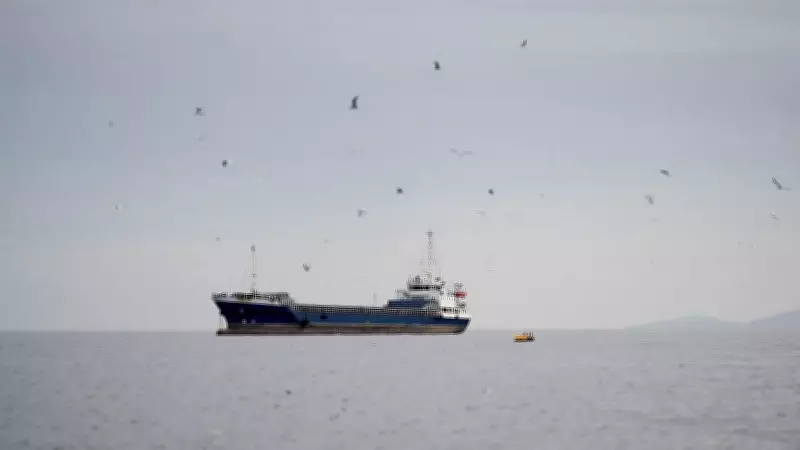
Oil Tankers Reroute as US Announces Hormuz Blockade
In a significant escalation of geopolitical tensions, President Donald Trump announced on Sunday that the United States Navy will initiate a blockade of the Strait of Hormuz. This strategic move comes after prolonged negotiations with Iran failed to produce a resolution to the ongoing conflict, putting a fragile two-week ceasefire in jeopardy.
Immediate Impact on Global Oil Shipping
Following the announcement, numerous oil tankers have begun steering clear of the vital waterway. The Strait of Hormuz is a critical chokepoint for global oil shipments, with approximately one-fifth of the world's oil supply passing through it daily. The diversion of these vessels is expected to cause immediate disruptions in oil markets, potentially leading to price volatility and supply chain challenges.
The blockade declaration marks a sharp turn in US policy, as previous efforts had focused on diplomatic engagement. President Trump stated that the measure is necessary to pressure Iran into compliance, but experts warn it could further inflame regional hostilities.

Background of Failed Talks and Ceasefire Risks
Marathon talks between the US and Iran, aimed at ending the protracted war, concluded without an agreement. The discussions, which had been ongoing for weeks, sought to address key issues such as nuclear proliferation and regional security. The failure to reach a deal has left the recently implemented two-week ceasefire hanging by a thread, with both sides accusing each other of bad faith.
The fragile truce, which had brought a temporary halt to hostilities, is now under severe threat. Analysts suggest that the US blockade could provoke retaliatory actions from Iran, potentially reigniting full-scale conflict in the region.
Global Reactions and Economic Implications
International reactions have been mixed, with some allies expressing support for the US stance while others urge caution. The economic implications are profound, as the blockade could:
- Increase oil prices due to reduced supply
- Disrupt trade routes for other commodities
- Strain diplomatic relations in the Middle East
Shipping companies are already adjusting their logistics, with many opting for longer alternative routes to avoid the Strait. This rerouting is likely to increase transportation costs and delay deliveries, impacting global energy markets.
Looking Ahead: Uncertainty and Potential Escalation
The situation remains fluid, with no clear timeline for how long the blockade will last or what steps might follow. President Trump emphasized that the US is prepared to take further action if necessary, but did not specify details. Observers are closely monitoring Iran's response, which could include military maneuvers or economic countermeasures.
As oil tankers continue to avoid the Strait of Hormuz, the world watches nervously, aware that this development could have far-reaching consequences for international peace and economic stability. The coming days will be critical in determining whether diplomacy can be revived or if the region is headed toward deeper conflict.