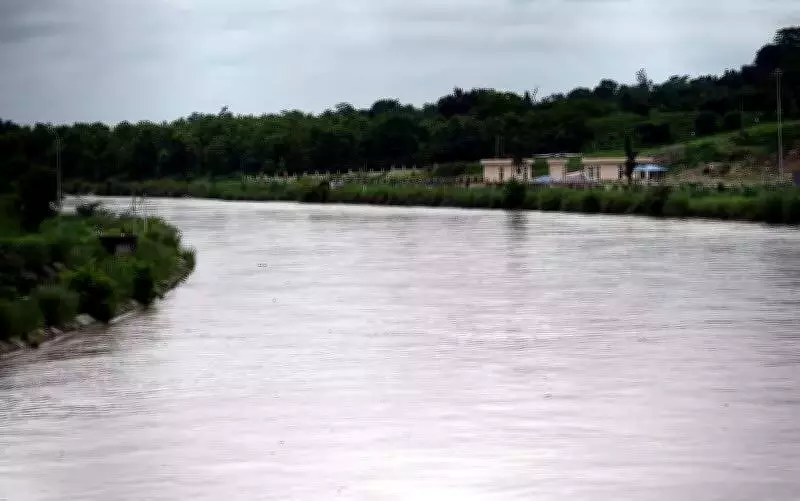
NGT Issues Urgent Directives for Yamuna River Restoration Across Five States
The National Green Tribunal (NGT) has taken decisive action to address the ecological crisis facing the Yamuna River. In a significant ruling, the tribunal has directed Himachal Pradesh, Uttarakhand, Delhi, Haryana, and Uttar Pradesh to urgently implement comprehensive recommendations from the Central Inland Fisheries Research Institute (CIFRI) at Prayagraj. These measures aim to combat severe pollution and restore the river's declining native fish biodiversity.
Legal Action Triggered by Alarming Ecological Report
The directives were issued by a bench headed by Justice Prakash Shrivastava and expert member A Senthil Vel in a suo motu case. This legal proceeding was initiated following a media report that highlighted the alarming decline of indigenous fish species and the growing proliferation of invasive exotic species throughout the Yamuna's course. Originating in Uttarakhand, the river flows through Himachal Pradesh's Sirmaur district via Poanta Sahib before entering Haryana, making its conservation a multi-state responsibility.
Comprehensive Survey Reveals Disturbing Trends
According to the detailed ICAR-CIFRI survey conducted between 2020 and 2024, researchers recorded 126 fish species along the Yamuna's 1,368-kilometer stretch from Yamunotri to Prayagraj. The findings revealed a troubling pattern:

- Decline of Native Species: Populations of indigenous fish such as Catla, Rohu, Mahseer, and Eel have significantly decreased.
- Rise of Invasive Species: Exotic species including Common Carp, Nile Tilapia, and Thai Mangur have proliferated, particularly in heavily polluted river sections.
The survey identified multiple contributing factors to these ecological shifts:
- Severe water pollution from industrial and domestic sources
- Construction of dams altering natural habitats
- Significant habitat modification and degradation
- Unsustainable overfishing practices
- Impacts of climate change on river ecosystems
Key Recommendations for Ecological Restoration
The CIFRI recommendations focus on a multi-pronged approach to revive the Yamuna's ecological health:
Regulation of Fishing Practices: The plan calls for strict control of illegal fishing methods, particularly the use of mosquito drag nets and other gear that result in juvenile fishing. Enhanced monitoring and surveillance during fishing ban periods are essential to prevent illegal harvesting of breeding fish.
Strategic Ranching Initiatives: The recommendations propose targeted fish stocking programs:
- Stocking Mahseer species in the upper stretches of the Yamuna
- Introducing Indian Major Carps (IMC) and other commercially important species in middle and lower stretches
- Ranching of air-breathing fish in designated Delhi stretches, particularly between the Wazirabad and Okhla barrages
Comprehensive Conservation Measures: The NGT emphasized several critical actions:
- Maintaining accurate fish catch records to monitor population trends
- Strict adherence to ICAR-CIFRI ranching guidelines to prevent genetic pollution
- Banning the release of exotic fish during religious rituals
- Intensifying public awareness campaigns about ecological harm from invasive species
- Ensuring continuous environmental flow below barrages
- Addressing point-source industrial and sewage pollution
Multi-Agency Coordination for Implementation
The NGT has directed multiple agencies to ensure effective implementation of these measures:
- Central Pollution Control Board (CPCB): Enforce effluent standards and monitor compliance
- National Mission for Clean Ganga (NMCG): Coordinate river conservation efforts
- Delhi Jal Board (DJB): Accelerate sewage treatment infrastructure development
Additional directives include:

- Installation of fish ladders at major barrages to facilitate migration
- Regulation of sand mining activities to protect riverbeds
- Promotion of native fish aquaculture to support local ecosystems
- Strict action against illegal introduction of exotic species
- Continuous water quality monitoring throughout the river system
This comprehensive approach represents a significant step toward reviving the Yamuna River's ecological balance and protecting its native biodiversity for future generations.