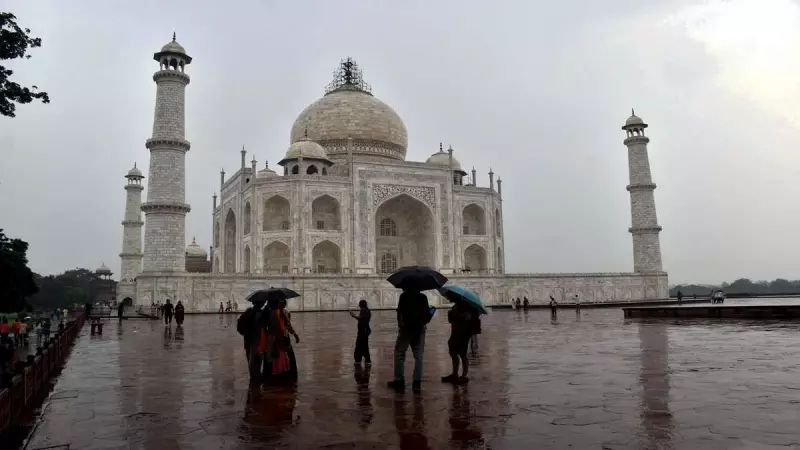
The iconic Taj Mahal, one of India's most treasured UNESCO World Heritage Sites, is facing a renewed threat from illegal human activities. In a significant move, the National Green Tribunal (NGT) has stepped in to address serious violations within the monument's protected buffer zone.
NGT Takes Stern Action Against Violators
The principal bench of the NGT, led by Justice Prakash Shrivastava, issued a decisive order on January 5, 2026. The tribunal was responding to a petition that highlighted rampant illegal activities damaging the environment and sanctity of the Taj Trapezium Zone (TTZ). The bench directed the formation of a joint committee comprising officials from the Central Pollution Control Board (CPCB), the Uttar Pradesh Pollution Control Board (UPPCB), and the Agra Divisional Commissioner.
This committee has been tasked with a critical mission: to conduct a thorough physical inspection of the reported sites. They must verify the allegations of illegal construction, unauthorized tree cutting, and encroachments. The NGT has given the committee a strict deadline of six weeks to submit a detailed factual and action-taken report. The case is scheduled for its next hearing on February 19, 2026.

The Specific Threats to the Monument's Buffer Zone
The petition brought before the NGT outlined several concrete threats. It alleged that illegal construction of houses and other structures is taking place on forest department land near the Taj Mahal. Perhaps more alarmingly, the plea stated that numerous trees have been illegally felled to make way for these unauthorized developments.
Furthermore, the petition pointed to specific locations where these violations are concentrated. It mentioned illegal activities in the Bagicha and Nunhai areas, which fall within the sensitive heritage buffer zone. The plea argued that these actions constitute a direct violation of environmental laws and the specific guidelines meant to protect the Taj Mahal and its surrounding environment from pollution and degradation.
Broader Implications and the Path Forward
This intervention by the NGT is not an isolated event but part of a long-standing effort to preserve the Taj Mahal. The monument has been under constant threat from industrial pollution, vehicular emissions, and now, blatant encroachment. The Taj Trapezium Zone (TTZ), covering about 10,400 sq km around the monument, was established with strict regulations on industrial and developmental activity to shield the white marble from damage.
The NGT's latest order underscores the ongoing challenges in enforcing these protections. It highlights the conflict between preservation efforts and local developmental pressures. The joint committee's findings will be crucial in determining the scale of the current violations and what remedial measures are urgently required.
The outcome of this case could set a precedent for how India manages and enforces protection in the buffer zones of its other world heritage sites. For now, the order brings a glimmer of hope for conservationists, signaling that judicial bodies are willing to act against those endangering the country's priceless historical and cultural legacy.