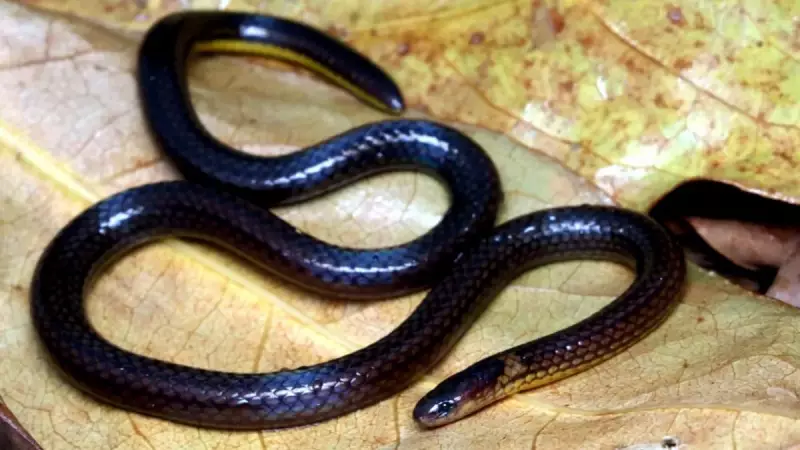
In an exciting development for herpetology and biodiversity, researchers have identified a brand new species of snake in the northeastern Indian state of Mizoram. This remarkable discovery adds another unique creature to the region's rich and varied wildlife.
A Hidden Gem: Discovering the New Species
The discovery was officially announced on January 6, 2026, marking a significant achievement for the scientific community. The snake is a nocturnal reptile, meaning it is primarily active during the night. Furthermore, it exhibits fascinating fossorial behavior, which indicates it spends a considerable amount of its life underground or burrowed beneath the surface.
This lifestyle makes the snake particularly elusive and explains why it remained undiscovered for so long. Researchers had to employ specific techniques and conduct surveys during appropriate hours to locate and study this secretive creature in its natural Mizoram habitat.

Characteristics and Habitat of the Mizoram Snake
While the original report provides specific details, the newly found species possesses distinct physical and behavioral traits that set it apart from known snakes. Adapted for a life spent mostly below ground, its morphology likely includes features suited for digging and navigating through soil.
The snake's nocturnal nature is a key adaptation, possibly helping it avoid daytime predators or hunt for specialized prey. Its identification underscores the incredible, and often hidden, biodiversity present in India's northeastern states, which are recognized as global biodiversity hotspots.
Implications for Conservation and Science
The identification of a new species is always a cause for celebration and renewed focus. This discovery highlights the critical importance of continued wildlife exploration and conservation efforts in ecologically rich areas like Mizoram. Many species, especially secretive, burrowing, and nocturnal ones, could still be waiting to be found.
For scientists, this new snake provides an opportunity to study a unique evolutionary path and understand more about fossorial adaptations in reptiles. For conservationists, it emphasizes the need to protect fragile habitats from threats like deforestation, infrastructure development, and climate change. Every new species discovery strengthens the argument for preserving these natural ecosystems.
This finding in Mizoram serves as a powerful reminder of India's vast and still-not-fully-catalogued natural heritage. It encourages further scientific inquiry and reinforces the value of protecting the country's wild spaces for future generations.