Mossad's Patience and Precision: The Intelligence Behind Khamenei Assassination
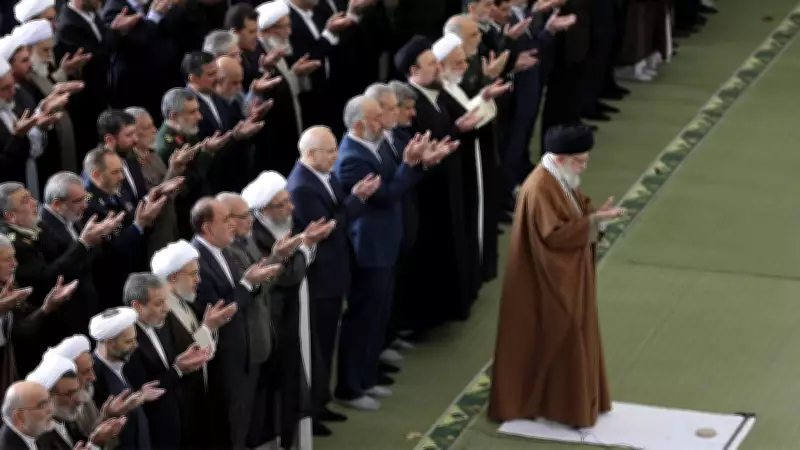
The assassination of Iran's supreme leader, Ayatollah Ali Khamenei, along with senior Iranian leadership, has sent shockwaves across the globe. This meticulously coordinated operation involved three simultaneous strikes in three distinct locations, all executed within a single minute. The precision and timing of this attack highlight a level of intelligence gathering that is both profound and unprecedented.
The Value of Patience in Intelligence Operations
What sets Mossad apart from other intelligence agencies worldwide is its unwavering commitment to patience. Unlike many organizations that seek quick results, Mossad understands that true intelligence mastery requires years, and sometimes decades, of meticulous data collection and analysis. This long-term approach allows the agency to build comprehensive profiles of targets, understand their routines, and identify vulnerabilities with exceptional accuracy.
The operation against Khamenei was not a spontaneous act but the culmination of intelligence efforts that spanned generations. Mossad operatives likely monitored the supreme leader's movements, communications, and security protocols over an extended period. This patient surveillance enabled them to predict exactly where Khamenei would be, at what time, and with whom, with a degree of certainty that facilitated the successful execution of the strikes.

Decades of Intelligence Collection
The intelligence collected over years and decades provided Mossad with a deep understanding of Iranian leadership structures and operational patterns. This knowledge was crucial in planning the three-pronged attack, which targeted not only Khamenei but also key figures in the Iranian hierarchy. By striking multiple locations simultaneously, Mossad maximized the impact of the operation, demonstrating a strategic sophistication that relies on exhaustive preparatory work.
Such operations underscore the importance of sustained intelligence efforts in achieving complex geopolitical objectives. Mossad's ability to leverage historical data and real-time insights showcases a model of intelligence work that prioritizes depth over immediacy, ensuring that actions are based on solid, verifiable information rather than conjecture.
Implications for Global Security
The assassination has significant implications for international relations and security dynamics in the Middle East. It serves as a stark reminder of the capabilities of state-sponsored intelligence agencies and the potential for such entities to influence global events through covert operations. The success of this mission may prompt other nations to reevaluate their own intelligence strategies, emphasizing the need for long-term planning and patience in an increasingly volatile world.
In conclusion, the Mossad operation against Ayatollah Ali Khamenei exemplifies the critical role of patience in intelligence work. By dedicating years to data collection and analysis, Mossad achieved a level of operational precision that few agencies can match, reshaping the landscape of international security in the process.