Migratory Birds Give Punjab's Key Wetlands a Miss, Sparking Environmental Alarm
In a concerning development for wildlife enthusiasts and conservationists, Punjab's renowned wetlands, including the iconic Harike and Keshopur, have witnessed a dramatic and unexpected decline in the arrival of migratory birds this season. This sharp drop in avian visitors has raised serious questions about the health of these critical ecosystems and the broader environmental challenges facing the region.
Notable Absence at Harike and Keshopur Wetlands
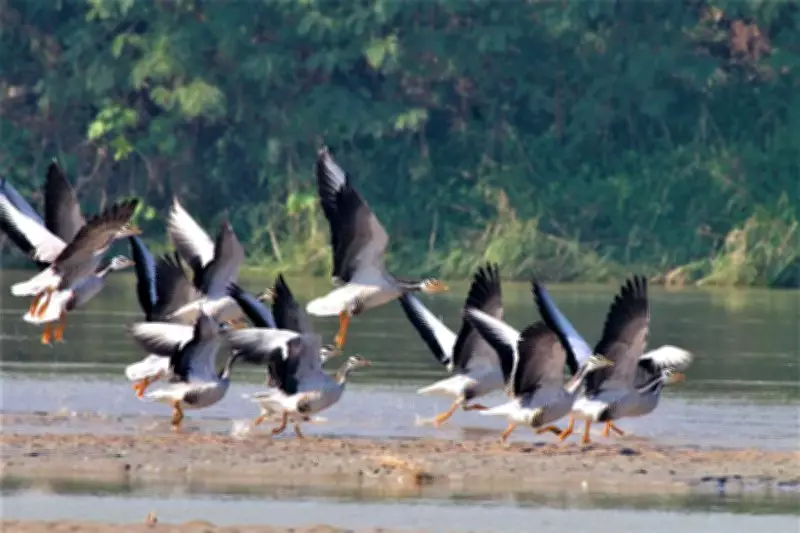
Traditionally, these wetlands serve as vital wintering grounds for thousands of migratory birds, including species like the bar-headed goose, northern pintail, and various ducks, which travel from as far as Siberia and Central Asia. However, recent observations and data from environmental agencies indicate a significant reduction in their numbers, with some areas reporting declines of up to 40-50% compared to previous years. The absence of these feathered travelers has left the wetlands unusually quiet, disrupting the ecological balance and local tourism that often thrives during the bird-watching season.
Experts Point to Pollution and Habitat Degradation
Wildlife experts and ornithologists attribute this alarming trend to a combination of factors, primarily centered on environmental degradation. Water pollution from industrial discharge and agricultural runoff has severely contaminated the wetlands, reducing water quality and affecting the availability of food sources like aquatic plants and insects. Additionally, habitat loss due to encroachment and unsustainable land use practices has further diminished the safe havens these birds rely on for rest and nourishment during their long journeys.

Climate change is also believed to play a role, with shifting weather patterns altering migration routes and timing. The cumulative impact of these issues has created an inhospitable environment, prompting many migratory species to bypass Punjab's wetlands in favor of alternative sites, potentially in neighboring states or countries with better conservation measures.
Implications for Biodiversity and Local Communities
The decline in migratory birds has far-reaching consequences beyond just wildlife. These wetlands are biodiversity hotspots that support a wide range of flora and fauna, and their deterioration threatens entire ecosystems. For local communities, the reduced bird populations could impact eco-tourism, which provides livelihood opportunities and promotes environmental awareness. Moreover, the health of wetlands is closely linked to water security and agricultural sustainability in Punjab, making this issue a matter of regional importance.
Conservationists are urging immediate action, calling for stricter enforcement of pollution controls, restoration of degraded habitats, and enhanced monitoring of bird populations. Initiatives such as community-based conservation programs and public awareness campaigns are also being recommended to foster a culture of environmental stewardship.
In summary, the skipping of migratory birds at Punjab's Harike and Keshopur wetlands serves as a stark reminder of the urgent need to address environmental challenges. Without concerted efforts to protect and restore these vital ecosystems, the region risks losing not only its avian visitors but also the ecological and economic benefits they bring.