Melghat Tiger Reserve Celebrates 52 Years of Conservation Excellence
The Melghat Tiger Reserve in Nagpur, Maharashtra, commemorated a significant milestone on Sunday, completing 52 years since its establishment. This marks over five decades of dedicated and sustained conservation efforts within one of the state's most pristine and ecologically vital forest landscapes.
Robust Tiger Population Reflects Conservation Success
According to the latest 2024 tiger census data, Melghat is now home to an impressive population of 72 adult tigers and 33 cubs. These numbers highlight the consistent and effective protection measures, alongside meticulous habitat management strategies, that have been implemented over the years.
Declared a tiger reserve in 1974, Melghat stands as one of India's earliest protected areas specifically dedicated to the conservation of the majestic big cat and its natural habitat. Nestled within the scenic valleys and dramatic gorges of the Satpura mountain range, the reserve is renowned for its dense teak forests, rich biodiversity, and the iconic echoing calls of tigers, which have long symbolized the deep, intrinsic bond between the Vidarbha region and nature.

A Thriving Ecosystem Sustained by Rivers and Indigenous Communities
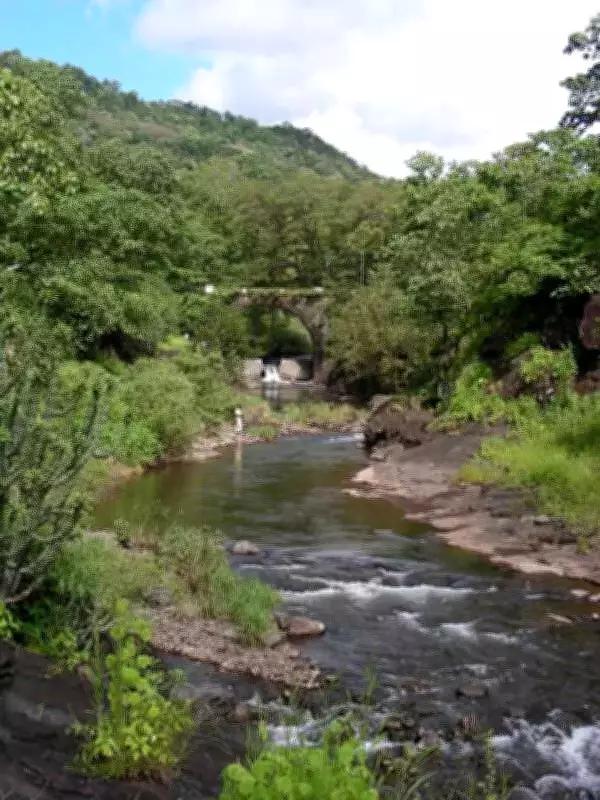
Over the decades, Melghat has evolved into a flourishing ecosystem, nourished by several vital rivers including the Sipna, Gadga, Khandu, Khapra, and Tapi. These water bodies play a crucial role in sustaining diverse wildlife populations as well as supporting forest-dependent communities.
The landscape is intricately intertwined with the lives of the indigenous Korku tribes, whose traditional and sustainable lifestyle mirrors the balance, purity, and harmony of the forest environment. Their coexistence with nature exemplifies a model of ecological stewardship.
Conservation Framework and Key Strategies
Conservator of Forests and Field Director M Adarsh Reddy emphasized that the rising tiger numbers are a clear testament to the strength of Melghat's conservation framework. "As per the 2024 estimates, we have about 72 tigers and 33 cubs. Our conservation efforts are showing tangible results on the ground," he stated.
Reddy pointed to several key contributors to this success:
- Round-the-clock protection camps ensuring constant vigilance
- Over 100 dedicated frontline staff members
- Intensive monitoring systems
- A stronger focus on grassland development to enhance habitat quality
He also noted that human-wildlife conflict incidents have been minimal, further underscoring the effectiveness of their management practices.
Tourism Growth Faces Challenges Despite Conservation Robustness
While conservation efforts remain robust and successful, Reddy acknowledged that tourism growth in Melghat has been slower compared to other reserves like Tadoba. He attributed this to several factors:
- Connectivity challenges affecting accessibility
- Undulating terrain that makes tiger sightings less frequent and predictable
- Limited tourism infrastructure and facilities
"Melghat is vast, covering over 2,700 square kilometers, so sightings are naturally more dispersed. We are actively working on better publicity, improved infrastructure, and enhanced eco-tourism facilities to ensure that tourism grows gradually and sustainably," Reddy explained.
Expert Perspectives on Protection and Tourism Potential
Veteran wildlife writer Pradip Hirurkar, who has spent nearly four decades documenting Melghat, echoed similar views regarding the reserve's achievements. "The tiger project has been a resounding success in terms of protection, conservation, and tiger population growth," he affirmed.
However, Hirurkar also noted that Melghat has yet to fully realize its tourism potential. "The tourists' mindset needs to evolve. Facilities do exist here, and the forest is unmatched in both scale and beauty, but increased awareness and more visitor-friendly planning are urgently needed. Once people truly experience the unique allure of Melghat, they will undoubtedly keep coming back," he emphasized.

As Melghat Tiger Reserve looks ahead, the focus remains on balancing robust conservation with sustainable tourism development, ensuring that this ecological gem continues to thrive for generations to come.