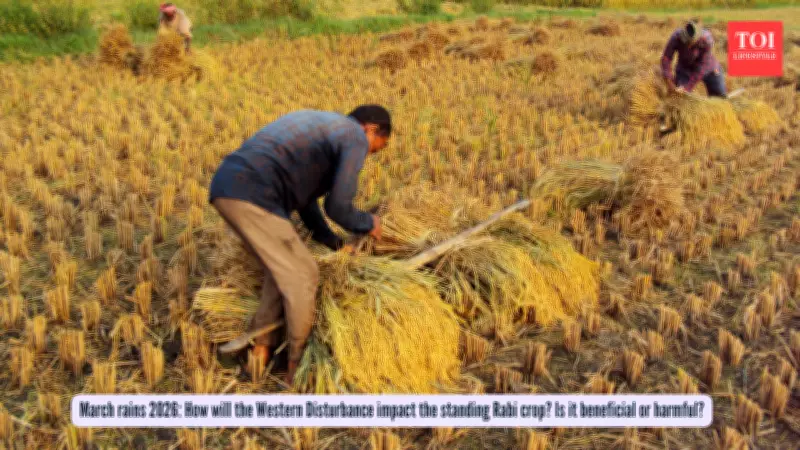
Unseasonal March Rains Pose Severe Threat to North India's Rabi Harvest
Nature often presents a complex challenge for farmers, alternating between bounty and adversity with little warning. In the fertile plains of northern India, where expansive agricultural fields sustain millions, March typically heralds the harvest season—a period of hard-earned reward following months of diligent labor under the sun. However, the arrival of unseasonal rains and snow during this critical reaping time has sparked widespread concern and curiosity about the implications for both the land and livelihoods.
Western Disturbances Trigger Unexpected Weather Patterns
A series of western disturbances, which are weather systems originating from the Mediterranean region, have recently swept across northern India. These systems have delivered a mix of rain, snow, thunderstorms, hail, and strong gusts to Himalayan states and adjacent plains, including Punjab, Haryana, Delhi, and Uttar Pradesh. According to Devendra Tripathi of MausamTak, these disturbances are creating pre-monsoon conditions, with showers expected to persist until March 21 across areas such as the Western Himalayas, Delhi, Uttar Pradesh, Rajasthan, Punjab, Haryana, Odisha, Bihar, and Telangana.
"The weather will experience a brief calm before dark clouds return around March 24," Tripathi noted, highlighting that a fresh weather system is approaching northwest India starting the night of March 17. He warned that while these rains offer some cooling relief, they pose a significant threat to farmers and their crops, potentially causing harm to the standing Rabi harvest.

Vulnerability of Rabi Crops During Harvest Season
March is the peak harvest period for Rabi crops, which are sown in winter and reaped in spring. Key crops such as wheat, mustard, gram, and potato are particularly vulnerable at this stage. While moderate rainfall can alleviate heat stress, intense winds and hail have the capacity to flatten maturing stalks. Additionally, harvested piles left wet are at risk of rotting and developing fungal infections.
Rajiv Kumar Singh, a principal scientist at the Indian Agricultural Research Institute (IARI), explained that hail and rain can "damage crops like wheat and mustard," emphasizing the risks even to standing crops, which may suffer from lodging due to strong gusts. Historical data underscores this vulnerability: in 2023, Punjab and Haryana experienced rainfall exceeding norms by 200% during March and April, while 2024 storms severely impacted regions including Bathinda, Ludhiana, Patiala, and Amritsar. Reports from Uttar Pradesh indicate losses in wheat and mustard across 25 districts, such as Gonda, Shravasti, and Barabanki.
Potential Impacts on Crop Loss and Market Prices
The damage to crops could lead to substantial economic repercussions. When agricultural output suffers, prices for essential staples, vegetables, and fruits tend to rise, increasing pressure on household budgets and contributing to food inflation. Experts estimate that India might face up to 10% crop losses if additional rains occur on March 24, compounded by heightened pest issues that could necessitate increased pesticide use.
Past incidents illustrate the severity of such weather disruptions. In 2022, an unusually hot March resulted in wheat production falling significantly below the target of 111.32 million tonnes. Subsequent rains and heat in 2023-24 further depleted grain stocks. The India Meteorological Department (IMD) has issued warnings about ongoing risks, advising farmers to remain vigilant. Recommendations include protecting harvested stacks with covers and accelerating harvesting efforts where feasible.
Climate Change Amplifies Agricultural Risks
This pattern of late, unseasonal weather underscores the profound impact of climate change on agriculture. While winter precipitation can be beneficial early in the growing season, it transforms into a serious threat during harvest time, disrupting traditional farming cycles and exacerbating uncertainties. As farmers navigate these challenges, the need for adaptive strategies and resilient practices becomes increasingly urgent to safeguard food security and economic stability in the region.