

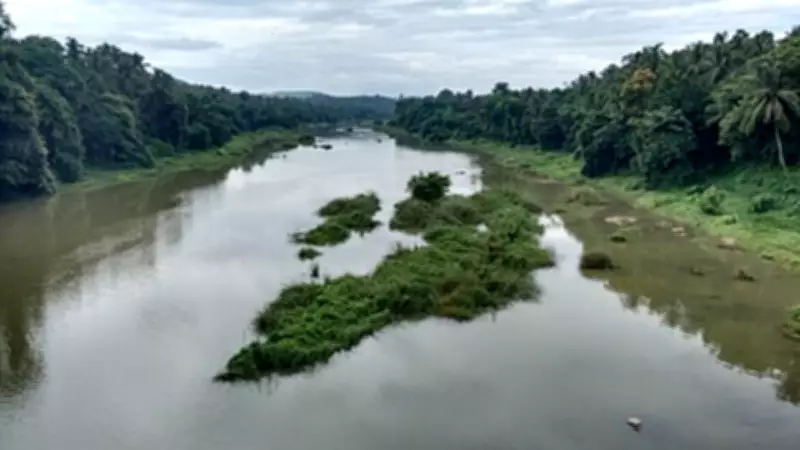
The Kunthipuzha River: India's Pristine 'Silent River'
Nestled within the lush green landscape of Kerala, the Kunthipuzha River presents a remarkable natural wonder. This river is commonly referred to as the "Silent River of India" due to its unique path through the Silent Valley National Park, which stands as the only tropical rainforest in India that remains undisturbed by human activity. Unlike numerous other rivers across the country that have been extensively utilized for irrigation, industry, and urban development, the Kunthipuzha River has been left remarkably untouched, allowing it to reveal a pristine ecosystem that has thrived for countless years.
Origins and Ecological Significance
The Kunthipuzha River originates in the Western Ghats, a region recognized by UNESCO as a global biodiversity hotspot. From its source, it flows gracefully across the Silent Valley National Park in Kerala. This protected area is renowned for its dense tropical evergreen forests, abundant wildlife populations, and notable absence of permanent human settlements. According to the Kerala Forest Department, "Silent Valley is one of the most ecologically diverse regions in India," serving as a critical habitat for unique and endangered species such as the lion-tailed macaque and the Nilgiri langur.
Within this fragile environment, the Kunthipuzha River plays a vital role. It provides essential clean water resources for diverse aquatic life forms and helps sustain the rich plant and animal life that characterizes the region. In stark contrast to many Indian rivers that suffer from severe contamination due to industrialization and urban sprawl, the Kunthipuzha River maintains exceptional purity and cleanliness. This is largely attributed to stringent conservation measures and the protected status of its surrounding landscape.

Why is it Called the 'Silent River'?
The name "Silent Valley" itself carries an intriguing origin story. Contrary to common assumption, the forest is not completely devoid of sound. The term "silence" primarily refers to the notable absence of cicadas, insects known for their loud, persistent chirping that typically fills most tropical rainforests. This unique acoustic characteristic, combined with the gentle, quiet flow of the Kunthipuzha River, creates an exceptionally serene and tranquil environment.
Environmentalists and scientists have long emphasized the importance of maintaining this quietude. A significant research paper titled "India’s Silent Valley and Its Threatened Rainforest Ecosystems" underscores that "habitats that remain undisturbed, such as Silent Valley, are necessary for maintaining global ecological balance." The silence is not merely an auditory feature but a symbol of the area's pristine condition.
Historic Conservation Efforts and Lasting Importance
The story of the Kunthipuzha River is inextricably linked to one of India's most pivotal environmental campaigns. During the 1970s, a proposed hydroelectric plant project within Silent Valley threatened to irreversibly damage its rich natural heritage. A coalition of scientists, activists, and concerned citizens mobilized a powerful movement against this development, highlighting the potential for catastrophic ecological loss.
Their persistent efforts proved successful. The project was halted, and the area was granted protected status, officially becoming a national park in 1984. The Ministry of Environment, Forest and Climate Change of the Government of India has described this victory as "a milestone in the conservation history of India." Today, the Kunthipuzha River stands as a shining example of successful environmental preservation. Experts note that "free-flowing rivers are critically important in preserving biodiversity and essential ecosystem services."
As natural resources face depletion worldwide, the Kunthipuzha River serves as a powerful testament to what can be achieved through dedicated conservation. The silence of its waters amidst the wilds of India represents more than just a geographical feature; it symbolizes the profound importance of collective action and sustained commitment in safeguarding our planet's ecological treasures for future generations.






