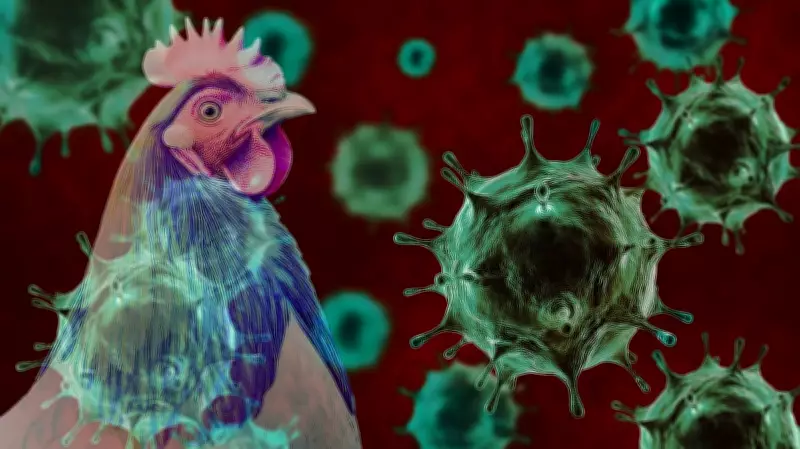
Bird Flu Outbreak Confirmed at Hesaraghatta State Poultry Farm in Bengaluru
Health authorities in Bengaluru have confirmed a significant outbreak of the H5N1 avian influenza, commonly known as bird flu, at the Hesaraghatta state poultry farm. This development has prompted immediate and large-scale containment measures to prevent the spread of the virus, which poses risks to both animal and public health.
Mass Disposal of Poultry and Materials to Contain the Virus
In a coordinated effort with the Animal Husbandry Department, officials took decisive action on April 15, 2026. A total of 7,444 chickens were culled and disposed of to eliminate potential carriers of the H5N1 virus. Additionally, approximately 14,000 eggs and 2,250 kilograms of poultry feed were destroyed to prevent any further contamination. These measures are part of standard protocols to control avian influenza outbreaks and safeguard the broader poultry industry in the region.
Authorities on High Alert Following the Confirmation
The confirmation of the H5N1 strain has put local and state authorities on high alert. The Animal Husbandry Department is working closely with health officials to monitor the situation and implement necessary precautions. Surveillance in surrounding areas has been intensified to detect any new cases early and prevent the virus from spreading to other farms or wildlife.

Residents and poultry farmers in Bengaluru and nearby regions are advised to:
- Report any unusual bird deaths or symptoms immediately to authorities.
- Avoid contact with sick or dead birds.
- Ensure proper hygiene and biosecurity measures on their premises.
Impact on Local Poultry Industry and Public Health Concerns
This outbreak at the Hesaraghatta farm could have significant implications for Karnataka's poultry sector, which is a vital part of the state's agriculture and economy. While the H5N1 virus primarily affects birds, there is a low risk of transmission to humans, prompting health officials to emphasize caution. No human cases have been reported so far, but ongoing monitoring is essential to ensure public safety.
The incident underscores the importance of robust disease surveillance and rapid response mechanisms in managing zoonotic threats like bird flu. As investigations continue, authorities are focusing on tracing the source of the outbreak and reinforcing preventive measures across the state.