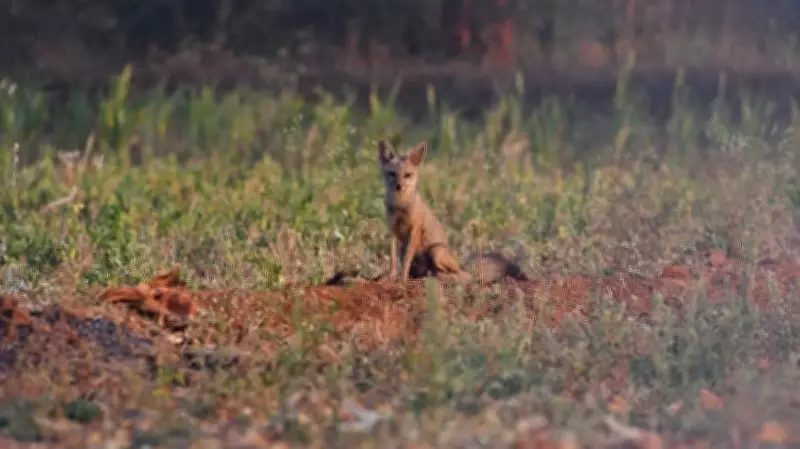
Karnataka Farmers Embrace Coexistence with Fox Families in Haveri and Gadag
In a heartwarming example of human-wildlife harmony, residents of Karnataka's Haveri and Gadag districts are learning to live alongside their 'foxy' neighbors. This remarkable story of coexistence began in Ranebennur, Haveri, where a local wildlife enthusiast made a conscious decision to protect a vulnerable fox family.
A Deliberate Choice for Conservation
Chandru Shidenur, a passionate wildlife enthusiast from Ranebennur in Haveri district, took an extraordinary step last November. Upon discovering that a pair of foxes had selected his one-acre farmland as a safe haven to rear their young, Shidenur immediately decided to leave the field completely untilled. This deliberate action was aimed at ensuring the fox cubs could grow and thrive without disturbance from agricultural activities.
This act of conservation highlights a growing awareness and sensitivity towards wildlife preservation in rural Karnataka. By prioritizing the needs of the fox family over his own agricultural interests, Shidenur has set a powerful precedent for sustainable farming practices that accommodate local ecosystems.

Broader Implications for Wildlife Management
The situation in Haveri and Gadag districts underscores several important aspects of contemporary wildlife management:
- Increased fox sightings in agricultural areas indicate possible habitat shifts or population adaptations.
- Farmers and landowners are increasingly recognizing their role as stewards of local biodiversity.
- Such coexistence stories provide valuable data for wildlife conservation strategies in human-dominated landscapes.
While specific population data for foxes in these districts wasn't provided in the original report, anecdotal evidence suggests these intelligent canids are finding innovative ways to survive in changing environments. Their ability to adapt to agricultural settings while raising young demonstrates remarkable behavioral flexibility.
Community Response and Future Outlook
The response from local communities in Haveri and Gadag has been largely positive, with many residents expressing curiosity and cautious appreciation for their wild neighbors. This incident has sparked conversations about:
- How agricultural practices can be modified to support wildlife
- The importance of preserving natural habitats within farming landscapes
- Educational initiatives to help communities understand fox behavior and ecology
As human settlements expand and natural habitats fragment, such stories of voluntary coexistence become increasingly significant. They demonstrate that with awareness and small adjustments, people and wildlife can share spaces productively. The fox family in Ranebennur continues to benefit from Shidenur's protective decision, serving as a living example of how individual actions can contribute to broader conservation efforts.
This development in Karnataka's rural heartland offers hope for more harmonious human-wildlife relationships across India's agricultural regions. It proves that conservation isn't just about protected areas but also about everyday decisions made by ordinary citizens living alongside wild species.