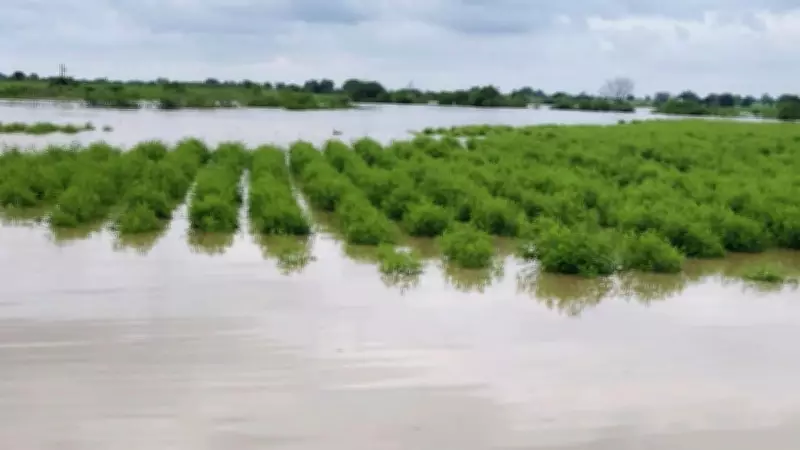
The agricultural landscape of Karnataka is facing unprecedented challenges as climate shocks have triggered massive crop losses across the state, leading to a dramatic surge in insurance claims from distressed farmers. This situation highlights the growing vulnerability of India's farming sector to erratic weather patterns and extreme climatic events.
Unprecedented Crop Devastation Across Karnataka
Farmers across multiple districts in Karnataka are reporting catastrophic losses to their standing crops following a series of climate shocks that have disrupted normal agricultural cycles. The scale of destruction has been particularly severe for key crops that form the backbone of the state's agricultural economy, leaving thousands of farming families in financial distress.
Insurance Claims Reach Record Levels
As a direct consequence of these widespread crop failures, insurance companies are witnessing an unprecedented volume of claims from affected farmers. The surge in claims has put significant pressure on agricultural insurance mechanisms and raised questions about the long-term sustainability of current compensation frameworks in the face of increasingly frequent climate disruptions.

Expert Analysis: Farming Becomes More Precarious
Prominent agro-economist T N Prakash Kammardi has provided crucial insights into this developing crisis, stating emphatically that "climate change has made farming more precarious and crop insurance can't fully compensate for the losses." His analysis underscores the fundamental limitations of financial safety nets when confronted with the systemic challenges posed by climate change.
The Limitations of Insurance Compensation
Kammardi's observations highlight several critical issues facing the agricultural sector:
- Insurance mechanisms cannot restore lost livelihoods or compensate for emotional distress
- Financial compensation often arrives too late to prevent farm families from falling into debt cycles
- Insurance payouts do not address the underlying vulnerability of farming systems to climate variability
- The increasing frequency of climate shocks threatens to overwhelm existing insurance frameworks
Broader Implications for Karnataka's Agricultural Economy
The current crisis extends beyond immediate crop losses to encompass several long-term concerns for Karnataka's agricultural sector:
- Food Security Concerns: Reduced crop yields could impact local and regional food availability
- Economic Ripple Effects: Agricultural losses affect related industries including transportation, storage, and processing
- Rural Livelihoods: Farming communities face increased uncertainty about their economic future
- Policy Challenges: Government agencies must develop more resilient agricultural support systems
Looking Beyond Insurance Solutions
While crop insurance remains an important safety net for farmers, experts emphasize the need for more comprehensive approaches to climate resilience. These include investments in climate-smart agriculture, improved water management systems, diversified cropping patterns, and better early warning systems for extreme weather events.
The situation in Karnataka serves as a stark reminder of the urgent need to address climate vulnerabilities in India's agricultural sector through integrated approaches that combine financial protection with sustainable farming practices and climate adaptation strategies.