In a significant development for wildlife tourism, the Karnataka State Board for Wildlife (SBWL) has recommended a gradual resumption of safari operations in the state's premier tiger reserves. This move comes nearly two months after a blanket ban was imposed on wildlife safaris following a series of fatal tiger attacks.
Board Weighs Economic Impact Against Safety Concerns
The decision was taken during a meeting chaired by Chief Minister Siddaramaiah on Friday. The board, acknowledging the severe economic fallout of the suspension, resolved to restart safaris in a phased manner in both Bandipur and Nagarahole Tiger Reserves. Several members highlighted the adverse effect on local communities whose livelihoods are intertwined with tourism.
Gundlupet MLA and board member Ganesh Prasad explicitly pointed out how the ban had damaged rural incomes linked to safari-related activities. Echoing the need for a balanced approach, former cricketer and state forest ambassador Anil Kumble informed the board that there was no direct evidence connecting safari activities to incidents of animals straying into human settlements. He noted that safari routes cover less than 8% of the total forest area in these reserves.

Rationale Behind the Ban and Path Forward
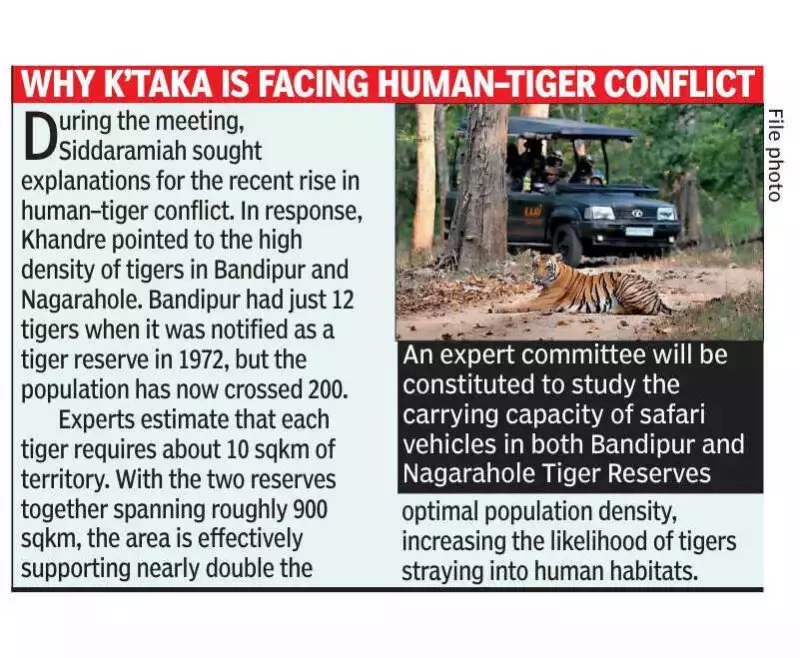
Forest Minister Eshwar B Khandre explained that the original ban was a response to a tragic series of events in October and November, where three people were killed and one was permanently disabled in tiger attacks. He stated that no such incidents were reported during the two-month suspension period. The minister also conveyed concerns from local farmers who believe disturbances from safari vehicles—like honking and bright headlights—could be pushing wildlife towards human habitations.
To address these complex issues scientifically, the board resolved to constitute an expert committee. This panel will conduct a crucial study on the carrying capacity of safari vehicles within the reserves. Following the deliberations, Chief Minister Siddaramaiah directed the forest department to proceed with the gradual reopening of safaris and to establish the panel for assessment and recommendations.
A Balanced Approach to Conservation and Community
This decision marks a pivotal shift towards reconciling conservation goals with community welfare and tourism revenue. The planned expert study aims to establish sustainable limits for tourist vehicles, ensuring that wildlife disturbance is minimized while allowing the vital economic activity to resume. The move is seen as a direct response to the appeals from stakeholders who suffered significant losses due to the prolonged ban on wildlife safaris in Karnataka.
The state government's directive underscores a commitment to evidence-based policy, seeking to protect both its precious tiger population and the livelihoods dependent on them.