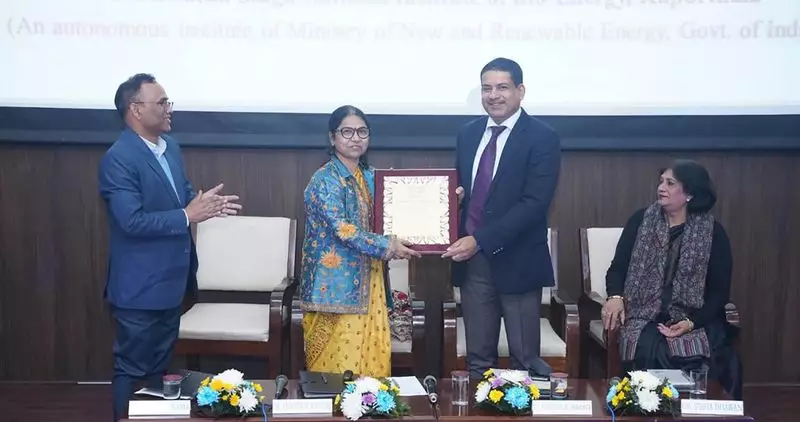
A significant conclave held in Jalandhar has placed a powerful spotlight on the urgent need and vast potential for renewable and sustainable energy sources in Punjab. The event served as a crucial platform for experts, industry leaders, and policymakers to deliberate on strategies for a greener future.
Experts Unite to Discuss Punjab's Green Transition
The gathering saw the convergence of prominent figures dedicated to reshaping the state's energy landscape. Key participants included Gurpreet Singh Guri, the Director of Research at the Centre for Research in Rural and Industrial Development (CRRID), who played a central role in the proceedings. The discussions were comprehensive, covering the entire spectrum of clean energy, from generation and storage to efficient distribution and consumption.
A primary focus was on solar energy, identified as a cornerstone for Punjab's renewable ambitions. Experts analyzed the current adoption rates, technological advancements, and the policy framework needed to accelerate solar power projects across the state, especially in agricultural and industrial sectors.

Green Hydrogen and Sustainable Development Goals Take Center Stage
Beyond solar, the conclave delved into emerging and promising frontiers like green hydrogen. Recognized as a clean fuel for the future, the talks explored its potential applications in heavy industry and transportation, positioning Punjab to be an early adopter in this revolutionary space.
The dialogue was firmly anchored in the broader context of global sustainable development goals (SDGs). Speakers connected the shift to renewables with critical objectives such as ensuring access to affordable and clean energy, fostering innovation in infrastructure, and taking decisive climate action. The conclave emphasized that a strategic move towards sustainability is not just an environmental imperative but also an economic opportunity for job creation and energy security.
The consensus was clear: a coordinated effort involving government incentives, private sector investment, and public awareness is essential. The need for robust energy storage solutions to manage the intermittent nature of sources like solar and wind was also highlighted as a key area for research and development.
Charting a Roadmap for a Sustainable Punjab
The Jalandhar conclave concluded with a sense of purpose and direction. It successfully mapped out the challenges and opportunities that lie ahead for Punjab in its energy transition. By bringing diverse stakeholders to the table, the event has helped lay the groundwork for actionable policies and collaborative projects.
The insights and recommendations from this meeting are expected to inform policy decisions and catalyze investments in the renewable energy sector within the state. The conclave has undoubtedly injected fresh momentum into Punjab's journey towards energy independence and environmental sustainability, aiming to set a benchmark for other regions to follow.