Deadly Suicide Bombing Rocks Islamabad's Shia Religious Centre
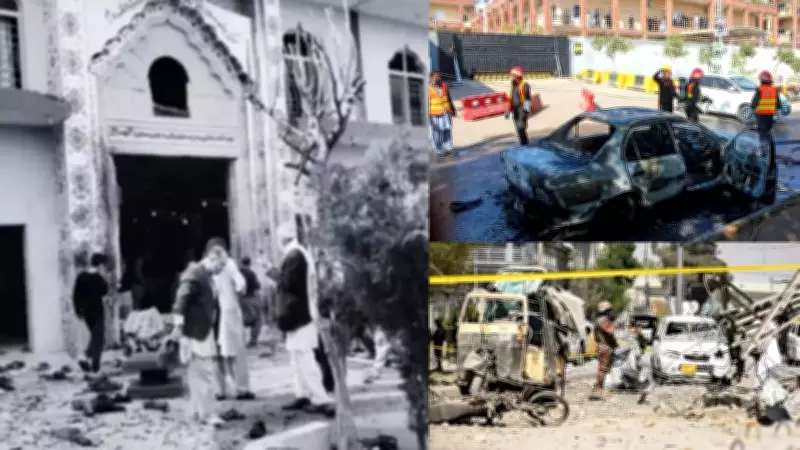
A devastating terror attack has struck the heart of Pakistan's capital, Islamabad, claiming the lives of at least 24 individuals and leaving more than 100 others injured during the sacred Friday prayers. The explosion occurred outside the Tarlai Imambargah in the Shehzad Town area, directly targeting the minority Shia community at one of their most vulnerable and spiritually significant moments of the week.
Security Interception Fails to Prevent Mass Casualties
Preliminary investigations by security officials indicate that a suicide bomber was intercepted at the gate of the religious centre. Despite being prevented from entering the main prayer hall, the attacker detonated the explosive device, causing catastrophic damage and widespread casualties. The blast's impact was severe enough to shatter gates, damage surrounding buildings, and leave bodies scattered amidst the debris, as seen in harrowing visuals from the site.
In response to the attack, police authorities declared a citywide emergency, mobilizing rescue teams who worked tirelessly to transport the injured to nearby hospitals for urgent medical treatment. The immediate aftermath saw a scene of chaos and grief, with emergency services struggling to manage the scale of the tragedy.

Exposing Pakistan's Fragile Security and Sectarian Fault Lines
This horrific incident once again lays bare Pakistan's deeply entrenched security vulnerabilities and the persistent sectarian divisions that plague the nation. The fact that such an attack could occur in Islamabad, one of the country's most heavily guarded and politically significant cities, raises profound questions about the effectiveness of Pakistan's counter-terrorism measures and internal security protocols.
From a broader perspective, the blast underscores how extremist violence continues to thrive within Pakistan's borders, posing serious threats to internal stability and the safety of religious minorities. The targeting of the Shia community during their prayers highlights the ongoing sectarian tensions that have long been a source of violence and instability in the region.
The attack serves as a grim reminder of the challenges Pakistan faces in combating terrorism and protecting its citizens, particularly vulnerable minority groups. It also brings into sharp focus the international concerns regarding Pakistan's ability to maintain security and prevent such atrocities from recurring in the future.