Iran's Supreme Leader Mojtaba Khamenei Reported Unconscious and Under Treatment in Qom
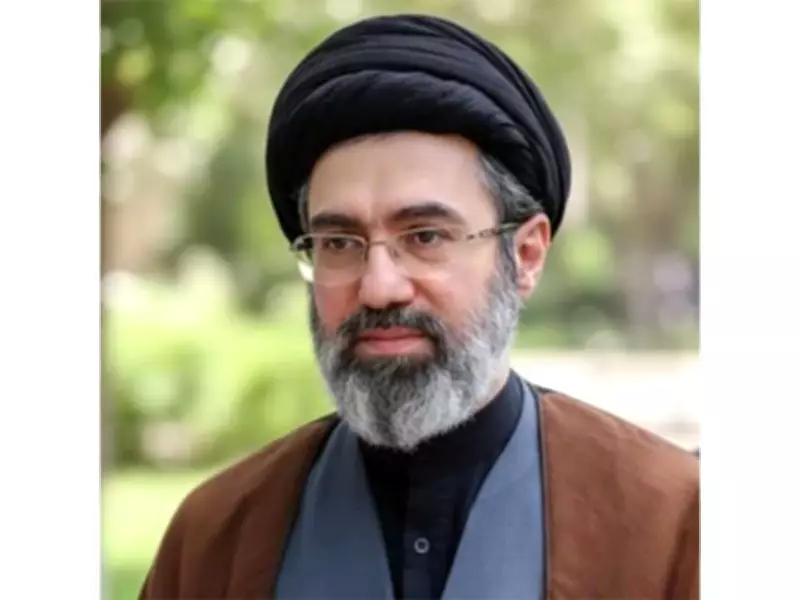
In a development that has sent shockwaves through international diplomatic circles, reports from The Times UK indicate that Iran's Supreme Leader, Mojtaba Khamenei, is currently unconscious and receiving urgent medical treatment in the holy city of Qom. This news, if confirmed, could have profound implications for Iran's political stability and its role in regional geopolitics.
Details of the Medical Emergency
According to the exclusive report published by the British newspaper, the Supreme Leader's condition is described as serious, with sources suggesting he has been admitted to a medical facility in Qom, a significant religious center in Iran. The exact nature of his illness or the cause of his unconscious state has not been officially disclosed by Iranian authorities, leading to widespread speculation and concern.
The timing of this medical emergency is particularly sensitive, given Iran's ongoing internal challenges and its complex relationships with global powers. Mojtaba Khamenei, who succeeded his father Ayatollah Ali Khamenei, has been a pivotal figure in shaping Iran's policies, and his incapacitation could trigger a leadership crisis.

Potential Implications for Iran and the Region
The report from The Times UK highlights several critical aspects:
- Leadership Vacuum: If the Supreme Leader remains unconscious or unable to perform his duties, it may necessitate the activation of contingency plans within Iran's political and religious hierarchy.
- Regional Stability: Iran's influence in the Middle East, including its proxy networks and nuclear negotiations, could be affected by any uncertainty at the top leadership level.
- International Reactions: World leaders and intelligence agencies are likely monitoring the situation closely, as changes in Iran's leadership could impact global diplomacy and security dynamics.
Historically, Iran has maintained a tight grip on information regarding the health of its leaders, making such reports rare and often subject to official denial or confirmation delays. The fact that this news has emerged from a reputable international source like The Times UK adds to its credibility, though it awaits official verification from Tehran.
Context and Background
Mojtaba Khamenei assumed the role of Supreme Leader amid high expectations and scrutiny, following a lineage that has deeply influenced Iran's theocratic system. His tenure has been marked by efforts to balance conservative ideologies with the demands of a changing society. Qom, where he is reportedly receiving treatment, is not only a religious hub but also a center of political power in Iran, often hosting key clerical figures and institutions.
This incident comes at a time when Iran is navigating economic sanctions, domestic unrest, and delicate international negotiations. The health of its Supreme Leader is therefore not just a medical matter but a geopolitical event with potential ripple effects across the globe.
As the situation develops, analysts and policymakers will be watching for official statements from Iranian media or government spokespersons. Until then, the report from The Times UK serves as a crucial alert to the world about the possible fragility at the helm of one of the Middle East's most influential nations.