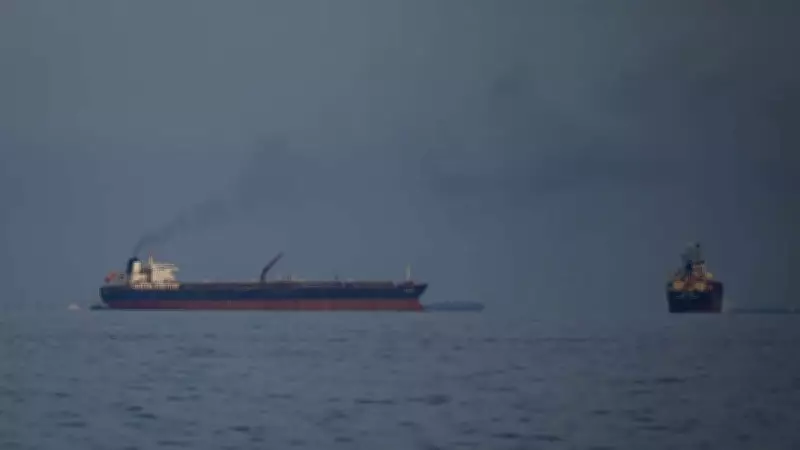
Iranian Oil Tanker Diverts from Gujarat to China Amid Regional Tensions
In a significant development affecting global energy markets, an Iranian oil tanker that was originally en route to Gujarat, India, has made a last-minute diversion to China. This unexpected move comes against the backdrop of escalating tensions in West Asia, underscoring the complex interplay between regional conflicts and international trade dynamics.
Details of the Diversion and Its Implications
The tanker, which had been scheduled to deliver a substantial cargo of crude oil to ports in Gujarat, abruptly changed its course in the final stages of its journey. This diversion to Chinese waters is seen as a strategic maneuver, potentially influenced by the ongoing conflict in West Asia that has heightened geopolitical risks and disrupted traditional shipping routes.
This incident highlights the vulnerability of global energy supply chains to regional instabilities. The West Asia conflict, involving multiple state and non-state actors, has created an environment of uncertainty, prompting such last-minute decisions by shipping operators seeking to mitigate risks or comply with shifting international sanctions and diplomatic pressures.

Impact on India-China Relations and Energy Security
For India, the diversion represents a missed opportunity to secure crucial energy imports, potentially affecting domestic fuel supplies and pricing. Gujarat, as a major hub for oil refining and processing, relies heavily on consistent crude deliveries to maintain its industrial output and economic growth.
Conversely, China's gain from this diversion could bolster its strategic energy reserves, reinforcing its position as a key player in global oil markets. This move may also reflect broader geopolitical alignments, with Iran possibly favoring Chinese partnerships amid strained relations with Western nations and their allies.
Broader Context of West Asia Conflict and Global Trade
The West Asia conflict has far-reaching consequences beyond immediate military engagements, influencing:
- Shipping and Logistics: Increased insurance costs and rerouting of vessels to avoid conflict zones.
- Diplomatic Relations: Shifts in alliances and trade partnerships as countries navigate sanctions and political pressures.
- Energy Markets: Volatility in oil prices and supply disruptions affecting economies worldwide.
This tanker diversion serves as a stark reminder of how regional conflicts can trigger ripple effects across the globe, compelling nations to adapt their trade strategies in real-time. As tensions persist, stakeholders in the energy sector must remain vigilant, anticipating further disruptions and exploring alternative supply sources to ensure stability.