Iranian Foreign Minister Issues Stark Warning as US Naval Force Approaches Region
The Iranian foreign minister, Abbas Araghchi, has issued a grave warning of massive retaliation if the United States launches any attack against Iran. This statement comes as the USS Abraham Lincoln carrier strike group transits the Indian Ocean toward the Middle East, heightening regional tensions to a critical level.
Deadly Crackdown Suppresses Widespread Protests Across Iran
According to witnesses and human rights organizations, a heavy security presence and violent crackdowns have largely suppressed protests that erupted across numerous Iranian cities and towns. The unrest, which began weeks ago amid a severe economic crisis and rapidly weakening currency, evolved into a broader antigovernment movement before being met with forceful suppression.
Activists report that at least 3,090 people have been killed during the government crackdown, although signs of normalcy are gradually returning in certain parts of the country. A nationwide communications blackout has significantly hampered independent verification of casualty figures and the overall situation on the ground.

UN Human Rights Council Convenes Urgent Session on Iran
The United Nations Human Rights Council will hold a special session this Friday to address what it describes as the "deteriorating human rights situation" in Iran. This urgent session follows a formal request from Britain, Germany, and several other nations.
The meeting will focus on alarming reports of violence against protesters during a crackdown that has reportedly resulted in thousands of fatalities. Despite an eleven-day internet shutdown that has obscured the full scale of repression, the NGO Iran Human Rights has verified 3,428 deaths, while cautioning that the actual toll is likely substantially higher.
US President Trump Adopts Conciliatory Tone Toward Iranian Leadership
In a notable shift, US President Donald Trump has adopted a more conciliatory stance, publicly praising Iran's leaders for refraining from carrying out mass executions of detained protesters. Trump had previously stated that executions or the killing of peaceful demonstrators would cross his red lines for potential US action, which could include military intervention.
Iranian Authorities Intensify Crackdown and Issue Surrender Ultimatum
Iranian authorities are escalating their crackdown on nationwide protests, with state media reporting 73 arrests in Isfahan alone for alleged "American-Zionist sedition." While official reports cite approximately 3,000 arrests, human rights groups estimate the total number has reached 25,000.
The judiciary is specifically targeting public figures, having filed lawsuits against 25 actors and athletes while seizing 60 coffee shops accused of supporting "terrorism." Police chief Ahmad-Reza Radan has issued a three-day ultimatum for "deceived" protesters to surrender for leniency or face the full force of the law, as the government continues to attribute the unrest to foreign adversaries.
Regional Tensions Peak Amid Military Movements and Diplomatic Warnings
Regional tensions have reached a critical peak following the US capture of Nicolás Maduro in Venezuela and the subsequent movement of the USS Abraham Lincoln carrier group toward the Middle East. In a Wall Street Journal op-ed, Foreign Minister Araghchi blamed "armed demonstrators" for recent unrest, despite reports indicating over 4,500 deaths during the government crackdown.
Araghchi cautioned that any "all-out confrontation" would engulf the entire region and far exceed the military timelines predicted by Israel and its allies. Meanwhile, Iran has warned US President Trump against targeting Supreme Leader Ayatollah Ali Khamenei, with General Abolfazl Shekarchi vowing to "set fire to their world" in response to any aggression.
Internet Shutdown Cripples Businesses Amid Economic Crisis
The nationwide internet shutdown has severely impacted Iran's already struggling businesses, which were already suffering from a crashing currency and deepening economic crisis. This communications blackout has made it increasingly difficult for businesses to operate and for citizens to access essential services and information.

Protests Abroad as Domestic Unquiet Subsides
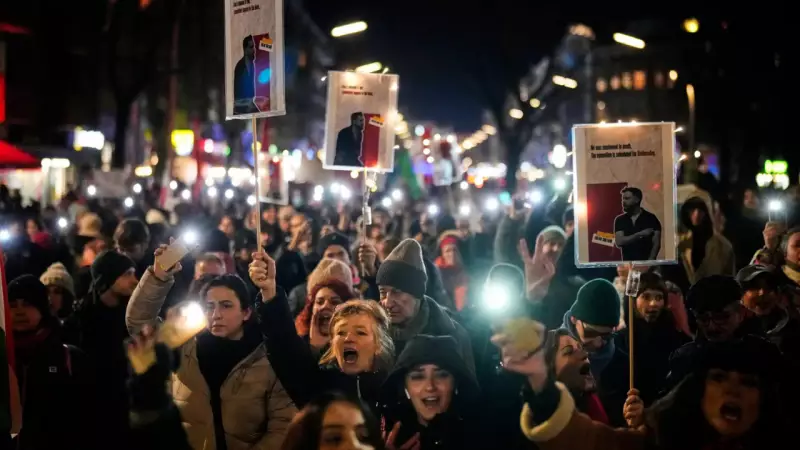
While protests inside Iran have quieted with no reported demonstrations in Tehran or elsewhere for several days, anger has spilled abroad. Large demonstrations by Iranian exiles have taken place across Europe, and some Iranians have reportedly crossed into neighboring countries, including Turkey, to bypass the communications blackout and maintain contact with the outside world.
The pause in domestic unrest has not softened rhetoric from hardliners within Iran. A senior conservative cleric has urged capital punishment for detained protesters and issued veiled threats against US President Donald Trump, reflecting continued fury within the establishment.