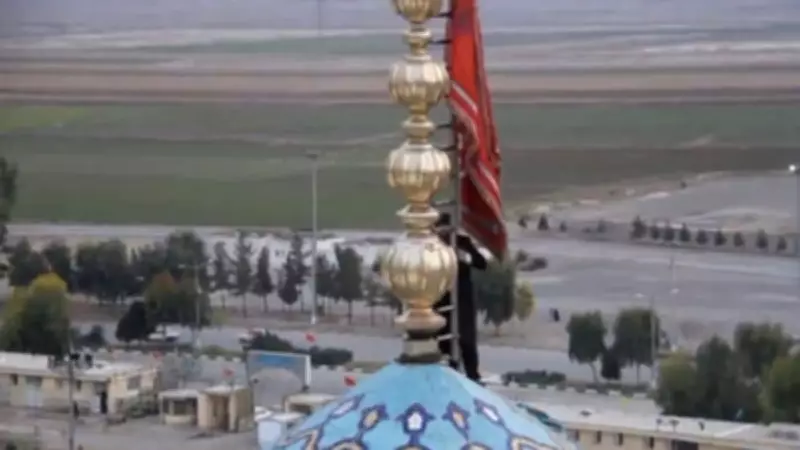
Iran Raises Red Flag Over Jamkaran Mosque: A Stark Signal of War Readiness
In a dramatic and highly symbolic gesture, Iran has unfurled a red flag over the iconic Jamkaran Mosque, located near the holy city of Qom. This action, which occurred recently, has sent shockwaves through the international community, as it is traditionally interpreted as a declaration of war or a call for severe revenge. The red flag, known as the "Flag of Revenge," is a potent emblem in Shia Islam, representing a state of mourning and a pledge to avenge the death of a martyr. Its display over such a significant religious site underscores the gravity of Iran's current geopolitical stance and has prompted widespread analysis from experts and governments worldwide.
Historical and Religious Significance of the Red Flag
The red flag holds deep historical roots in Shia tradition, dating back to the Battle of Karbala in 680 AD, where Imam Hussein, a revered figure, was martyred. Since then, it has been used to signify periods of intense mourning and a commitment to seek justice for perceived wrongs. In modern times, Iran has employed this symbol during moments of high tension, such as after the assassination of General Qasem Soleimani by the United States in 2020. By hoisting it over the Jamkaran Mosque—a site of pilgrimage and spiritual importance for millions of Shia Muslims—the Iranian government is amplifying its message, suggesting a readiness to escalate conflicts and defend its interests with force.
Geopolitical Context and International Reactions
This provocative act comes amid escalating tensions in the Middle East, particularly involving Iran's nuclear program, regional proxy wars, and ongoing disputes with Western nations. The unfurling of the red flag is seen by many analysts as a direct response to recent pressures, including economic sanctions and diplomatic isolation. International reactions have been swift, with countries like the United States, Israel, and Saudi Arabia expressing concern over the potential for increased hostilities. The European Union has called for restraint, emphasizing the need for dialogue to prevent further destabilization in the region.

- It signals Iran's preparedness for military confrontation, potentially influencing its foreign policy decisions.
- The move may bolster domestic support by appealing to nationalist and religious sentiments within Iran.
- It could exacerbate existing conflicts, such as those in Yemen or Syria, where Iran-backed groups are active.
- Global markets, especially oil prices, might react to heightened fears of supply disruptions from the region.
Analysis of Iran's Strategic Messaging
Experts suggest that the red flag over the Jamkaran Mosque serves multiple strategic purposes for Iran. Firstly, it acts as a deterrent, warning adversaries that any aggression will be met with severe retaliation. Secondly, it reinforces the regime's ideological narrative, positioning Iran as a defender of Shia values against external threats. Thirdly, it diverts attention from internal challenges, such as economic hardships and political dissent, by fostering a sense of unity against a common enemy. This calculated move is part of a broader pattern of using symbolism to project power and influence on the global stage.
In conclusion, the unfurling of the red flag over Iran's Jamkaran Mosque is more than a religious gesture; it is a clear political statement with far-reaching consequences. As the world watches closely, this act highlights the volatile nature of Middle Eastern politics and the critical need for diplomatic engagement to avert a larger crisis. The symbolism of the red flag reminds us that in Iran, history and faith are deeply intertwined with contemporary geopolitics, shaping actions that resonate far beyond its borders.