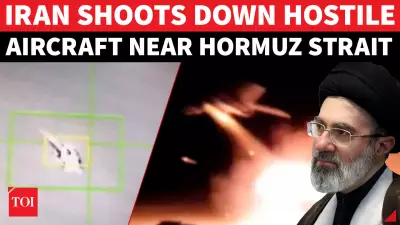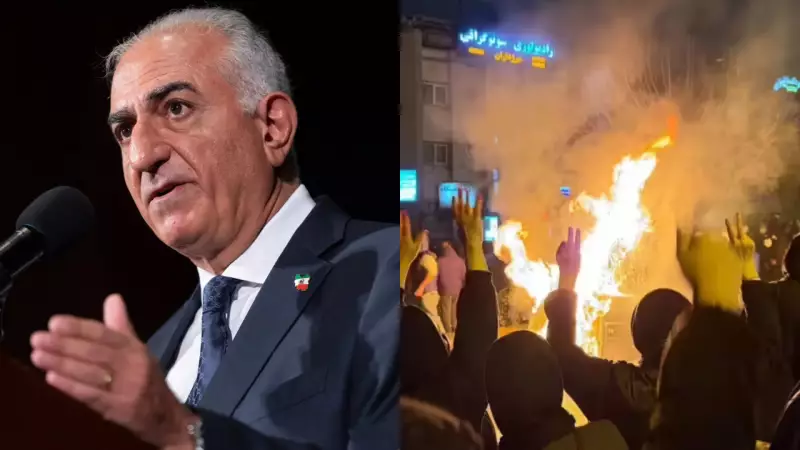
Iran's state television channels experienced a brief hijacking on Sunday. Anti-regime activists successfully hacked the country's Badr satellite system. They broadcast opposition messaging and protest footage across multiple networks during this unauthorized transmission.
Exiled Crown Prince Appears in Broadcast
Exiled crown prince Reza Pahlavi appeared in the hijacked segments. He directly urged Iranian citizens to join ongoing demonstrations. Pahlavi also called on security forces to side with protesters instead of the government.
Iran International first reported this television disruption. Israeli media confirmed the breach involved the Badr satellite platform. Clips from the broadcast were later circulated by Pahlavi's own media team.

Content of Hijacked Broadcast
The hijacked broadcast contained several specific elements. It showed messages urging demonstrators to persist in their protests. The transmission interspersed these messages with footage of solidarity rallies held across global cities.
Clips highlighting statements of support from international leaders also appeared. The broadcast hack occurred amid weeks of sustained unrest that began on December 28.
Background of Ongoing Unrest
The protests initially started over economic hardship concerns. They quickly escalated into nationwide anti-government demonstrations. Iranian authorities responded with a sweeping crackdown that included mass arrests.
Severe internet restrictions were implemented across the country. A US-based rights group says it has verified thousands of deaths and arrests during this violent government response.
Official Responses and Accusations
Iranian authorities have consistently blamed foreign adversaries for fueling the unrest. US President Donald Trump has publicly condemned Tehran's response to protesters. Trump warned of consequences if violence against demonstrators continues.
Iran's President Masoud Pezeshkian issued a strong warning about potential US strikes. He said any American attack would draw what he called a harsh and regrettable response. Pezeshkian characterized an attack on the Supreme Leader as all-out war.
Casualty Figures and Legal Consequences
A regional Iranian official told Reuters at least 5,000 people have been killed. This figure includes approximately 500 security personnel. Kurdish regions experienced the deadliest clashes during the unrest.
Supreme Leader Ayatollah Ali Khamenei acknowledged several thousand deaths in a televised address. He blamed the United States and foreign-backed rioters for the violence. Iran's judiciary said detained protesters face serious charges.
These charges include Mohareb, which means waging war against God. Under Iranian law, this constitutes a capital offense that can carry the death penalty.
International Reactions and Developments
US President Donald Trump called for new leadership in Iran. He accused Khamenei of using unprecedented violence against protesters. Trump claimed Tehran halted planned executions of 800 detainees.
Iran accused both the US and Israel of orchestrating the unrest. President Pezeshkian repeated this allegation during a call with Russia's Vladimir Putin. The situation remains tense despite some surface calm.
Internet Restrictions and Current Situation
NetBlocks reported internet access briefly returned after 238 hours of shutdown. This occurred on Sunday following the television hijacking incident. However, access was reportedly cut again on Monday.
The limited restoration only included heavily filtered Google and messaging services. Streets in Tehran and other cities returned to an uneasy calm on Sunday. Shops reopened with no fresh protests reported by state media.
The television hijacking represents a significant escalation in tactics by opposition groups. It demonstrates their ability to bypass government controls temporarily. The incident has drawn international attention to Iran's ongoing political crisis.